




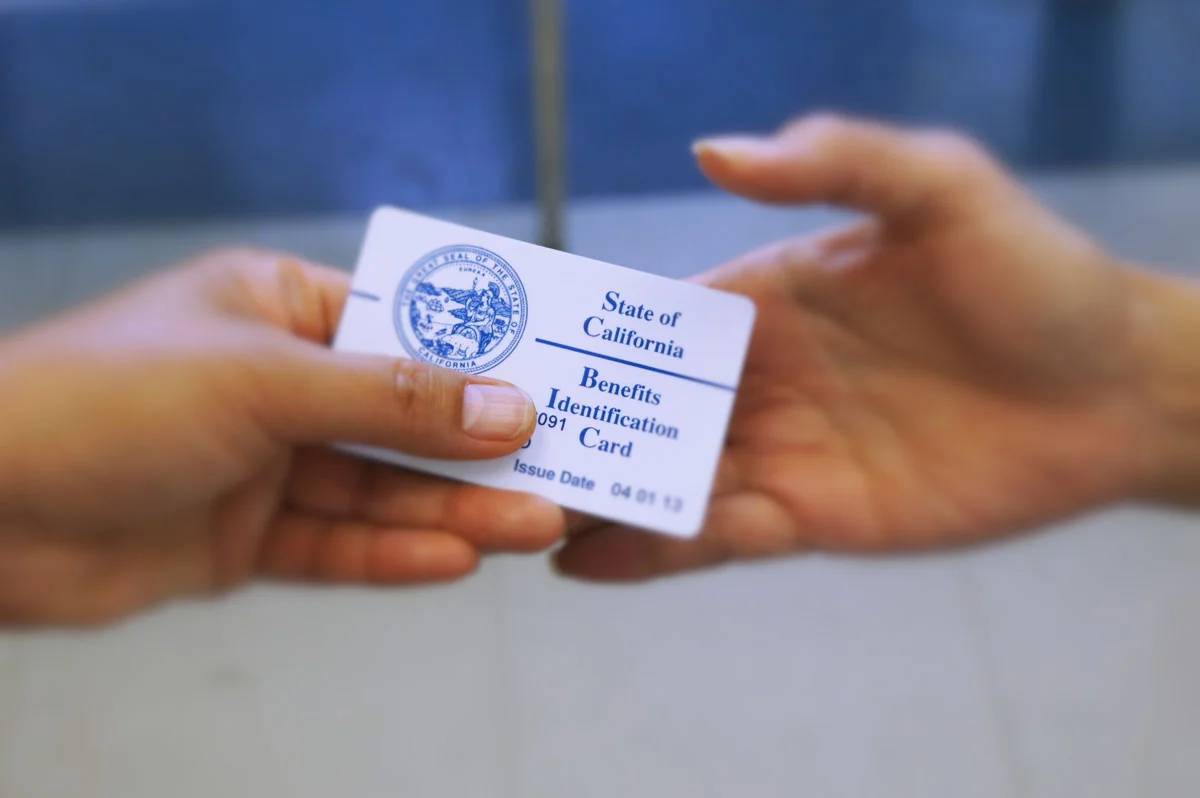
Come July 1, undocumented Medi-Cal members will be forced to neglect their dental care until it becomes an emergency-level issue in order to be seen under insurance.
Individuals without satisfactory immigration status were stripped of the ability to enroll in full Medi-Cal coverage on Jan. 1, and have since only been eligible for emergency coverage, such as pregnancies or tooth extractions.
Rosalba Riquelme, an immigrant from Iguala, Guerrero, has been living in the United States for eight years. Her dental care journey began after getting a tooth extracted in Mexico that was unnecessary.
“From there, everything kind of became complicated,” Riquelme said. “When I came here and started to look where I could get help because I didn’t have insurance, I did research and found that at dental schools I could come without insurance to get care.”
Bay Area dental and health care clinics and University of California, San Francisco staff and volunteers are anticipating the abundance of undocumented patients who will begin to show up for dental and healthcare when their usual Medi-Cal-accepting dentists and doctors cannot provide the needed work due to the changes.
Brianna Mejia-Carreno is a volunteer and advisor at Clinica Martin-Baro, a student-run clinic between UCSF students and San Francisco State University students. Mejia-Carreno has experienced the changes firsthand throughout the years.
Mejia-Carreno and other volunteers at CMB were “ecstatic” when the Medi-Cal eligibility extended to low-income individuals regardless of immigration status, taking care of a majority of the clinic’s patient population.
“Getting that access was a really huge help, especially for us, because we were dealing with the influx of patients coming in during the pandemic,” Mejia-Carreno said.
According to Mejia-Carreno, during 2020 many patients had been cut off from their healthcare. She now fears the similar aftereffects that clinics will experience due to the new changes.
“When you have 200+ patients for a small, community, student-run clinic, it’s really hard,” Mejia-Carreno said. “With Medi-Cal changing, it’s essentially going back to the way things were pre-COVID.”
Clinics like CMB are often donation based and run by students and volunteers. Because of limited funds and materials, they cannot provide all the medications and procedures that may be necessary to patients. CMB currently works with the UCSF Community Dental Clinic to provide dental care services that they cannot.
“Our students, third and fourth-year, they run a free clinic on Wednesday nights for people who don’t have insurance,” said Eunice Stephens, chief of staff at the UCSF School of Dentistry. “We’re imagining the need for that will go up.”
On top of long wait lists and crowded clinics, the amount of care that the UCSF Community Dental Clinic will be able to provide for uninsured patients is still limited when larger dental issues are at hand.
“We refer them out but it can be cost prohibitive. If they don’t have any insurance, they’re paying out of pocket,” Stephens said. “The students are there with our faculty to support them, and they just have real conversations. Like, ‘we could save this tooth, but that means you’re gonna have to pay… or we could pull it if it’s something that severe.’ They try to be honest about what could happen, or how we get them out of pain. The goal is that they leave not being in pain.”
Emergency dental care at clinics such as UCSF’s may be able to provide tooth extractions for pain, but without payment, there can be no aftercare.
“What we fear will happen is people will end up in the ERs with their health needs once they get out of control. There will be no other place where you can go to get out of pain,” Stephens said. “They can’t get a basic root canal or get a crown, and they will have these teeth extracted, unfortunately, and not have access to replacement teeth.”
Not having access to the correct aftercare and ignoring dental issues until they become an emergency can have long-lasting, debilitating effects on patients.
“The dean of dentistry always says ‘your mouth is like the canary in the coal mine,’” Stephens said. “If you have untreated periodontal disease, bad gingivitis, the plaque and bacteria doesn’t just stain your mouth. That really can impact your whole body. It travels through the bloodstream, it puts your overall health at risk.”
People from several clinics and resource centers are worried for the future of low-income undocumented individuals and families in the Bay Area.
Vanessa Castro is a family resource services coordinator at La Raza Community Resource Center, where she assists immigrants with legal issues, housing, food access and more.
“It’s difficult for a lot of families because it was the first time ever having healthcare access period,” Castro said. ”A lot of families were just starting to get used to the fact that they can go to a dentist, or get their eyes checked, have the ability to get vaccines and general cancer screenings. Things will just make the emergency room primary care again for a lot of families.”
La Raza’s mission is not strictly oriented to healthcare, helping immigrant families in the Bay Area with a variety of resources.
Riquelme, who never got the chance to enroll in Medi-Cal in the first place, looks elsewhere for opportunities to get dental work done instead.
“I then found out of the insurance at the cathedral, where the church helps give medical insurance aid and have been able to obtain some care there as well,” Riquelme said.
The church’s only requirement is that members of the community have no insurance at all. There, Riquelme is able to get check ups, blood work and other needed emergency services, while sticking to dental schools such as the for dental care.
Erika is a Latina/Latino studies major at SFSU who regularly volunteers at CMB. Her role as a patient advocate consists of assisting with language barriers and translations throughout appointments. She witnesses firsthand the difficulties of referring patients out when they need work done that the clinic cannot offer.
“By the end of the visit, if the patient needs labs, medicine, x-rays, vaccines, volunteers find organizations or somewhere that can help them out with that,” Erika said. “I think it’s kind of hard sometimes… it’s not hard to inform people about it, but I think it just makes it hard for them to want to seek other services.”
In Erika’s experience, patients become hesitant after referral to outside organizations.
“We had somebody who had really bad back pain so we suggested urgent care,” Erika said. “One of the medical students mentioned that she wouldn’t be covered, so I think that just made her not want to go.”
Fears are increasingly common among both the people volunteering to help patients, and the affected individuals that are looking to get work done.
“We’re definitely gonna see the unwinding of a bunch of things that were supposed to help people,” Mejia-Carreno said.





Tyler • May 28, 2026 at 12:06 pm
People with “UIS” are not ‘forced to neglect their dental care …” – they can always go back to their home countries for “free” medical/dental if they need it so badly. Why is it on the American taxpayer to fund free health/dental services for people that entered into our country illegally? Kind of insane, if you think about it.