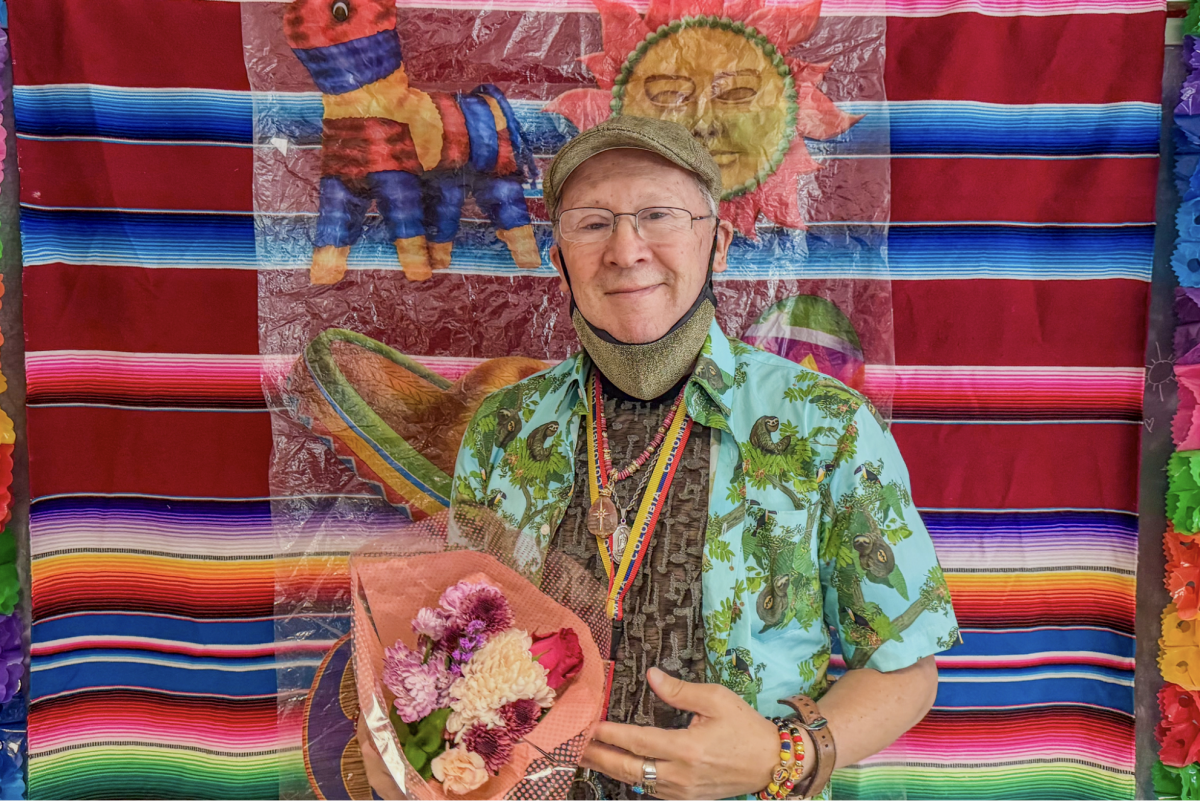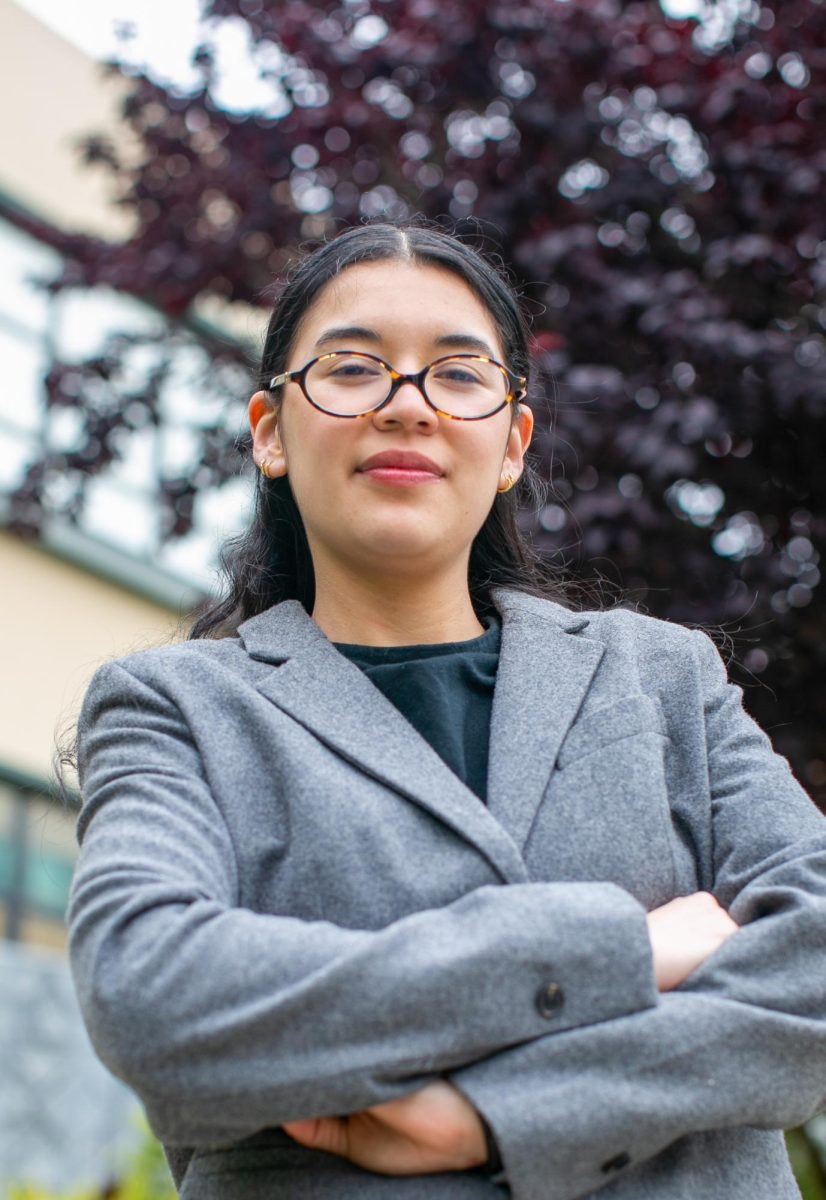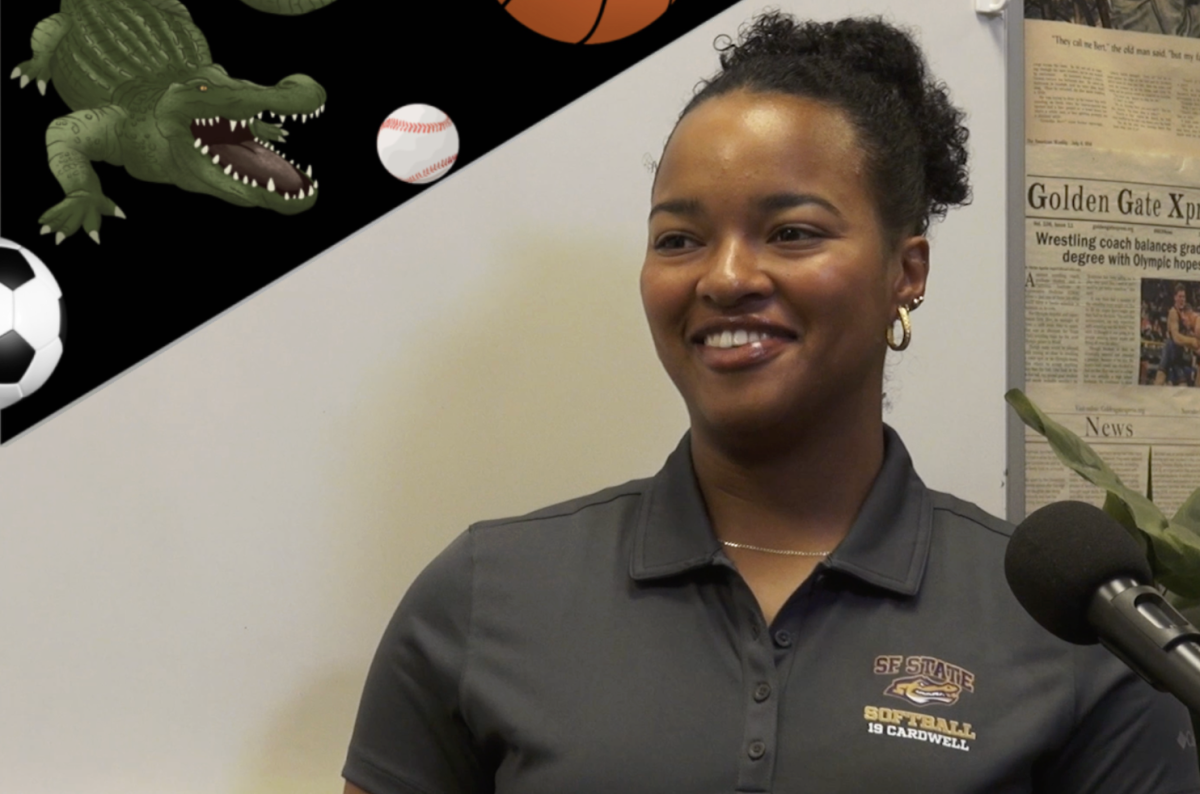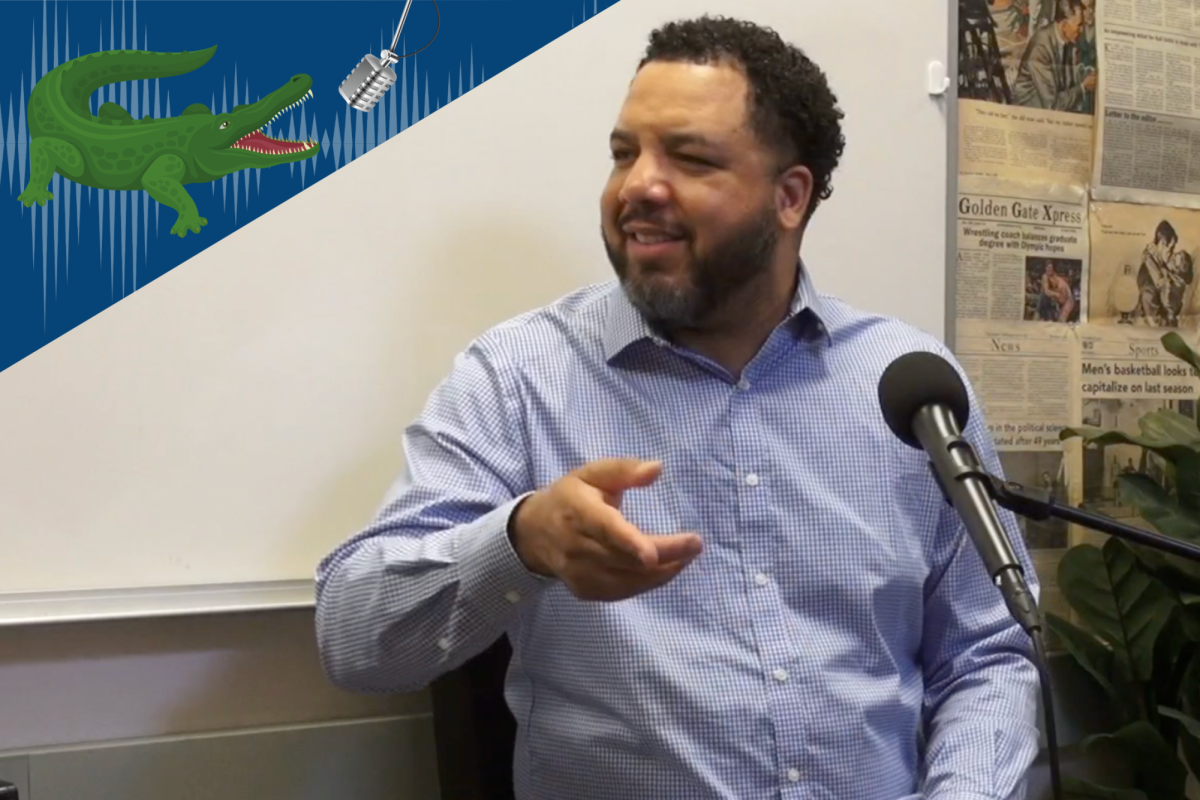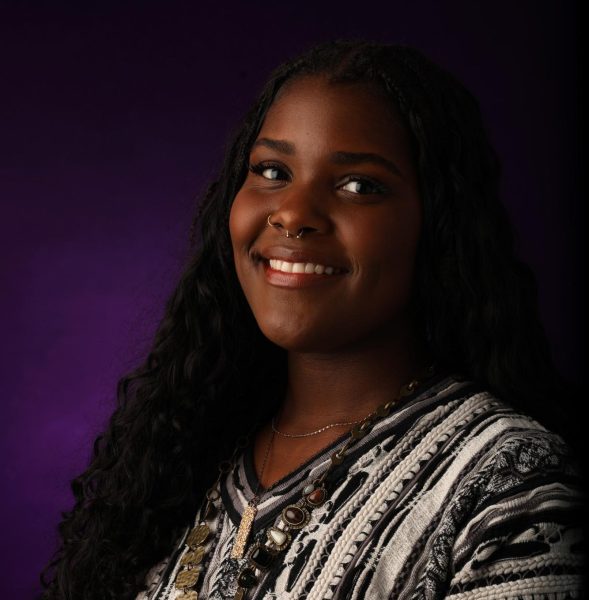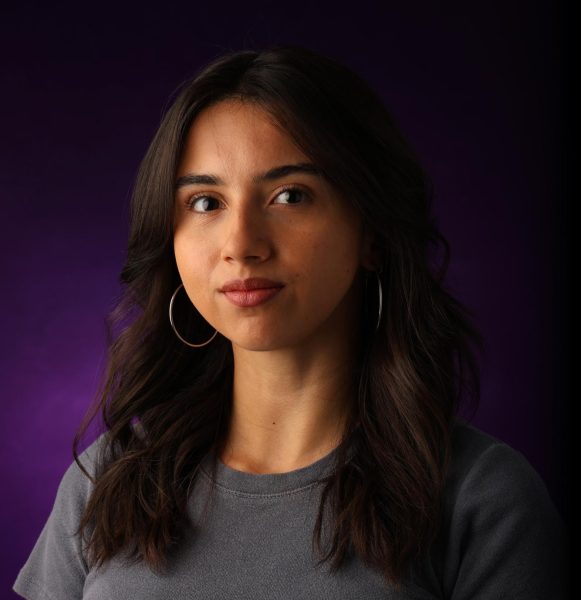

In this series, Voces Latinas, Golden Gate Xpress has gathered students from San Francisco State University to share their personal thoughts on questions pertinent to the Latinx community relating to identity, immigration and culture. In this episode, students talk about their experiences and opinions on the role language plays in Latinx identity.
At SFSU, Latinx students are 36% of the student body, making them the largest ethnic group on campus. The following audios feature their voices in English and Spanish.
If you identify as Latin/o/a/x and would like to share your own thoughts, please reach out to our Spanish Editor, Melanie Ochoa, at [email protected].
En esta serie, Voces Latinas, Golden Gate Xpress ha reunido a estudiantes de la Universidad Estatal de San Francisco para compartir sus opiniones personales acerca de asuntos pertinentes a la comunidad Latina como la identidad, la immigracion, y la cultura. En este episodio, los estudiantes hablan sobre sus experiencias y opiniones sobre el papel que desempeña el lenguaje en la identidad Latinx.
En SFSU, los estudiantes latinos/as componen el 36% del cuerpo estudiantil, son el grupo étnico más grande en nuestro campus. Los siguientes audios presentan sus voces en inglés y español.
Si usted se identifica como Latino/a/x y desea compartir su perspectiva por favor contáctese con la editora de español, Melanie Ochoa, por medio del correo [email protected].
Melanie Ochoa 00:00 – 00:29
Hey there, Gators! Welcome back to Voces Latinas, a series where Golden Gate Xpress has gathered students from San Francisco State University to share their personal thoughts on relevant questions to the Latinx community related to identity, immigration and culture.
My name is Melanie Ochoa, the current Spanish editor for GGX. This episode features the question: what role does language play in Latinx culture? The following audios you’re about to hear feature their voices in English and Spanish.
Melanie Ochoa 00:00 – 00:29
¡Hola Gators! Bienvenidos de vuelta a Voces Latinas, una serie donde Golden Gate Xpress ha reunido a estudiantes de la Universidad Estatal de San Francisco para compartir sus pensamientos personales sobre preguntas relevantes a la comunidad latina en relación a la identidad, la inmigración y la cultura.
Mi nombre es Melanie Ochoa, la editora de español actual de GGX. Este episodio contesta la pregunta: ¿qué papel desempeña el lenguaje en la cultura latina? Los siguientes audios que vas a escuchar contienen voces en inglés y español.

Gisselle Peñuela Solis 00:29 – 02:00
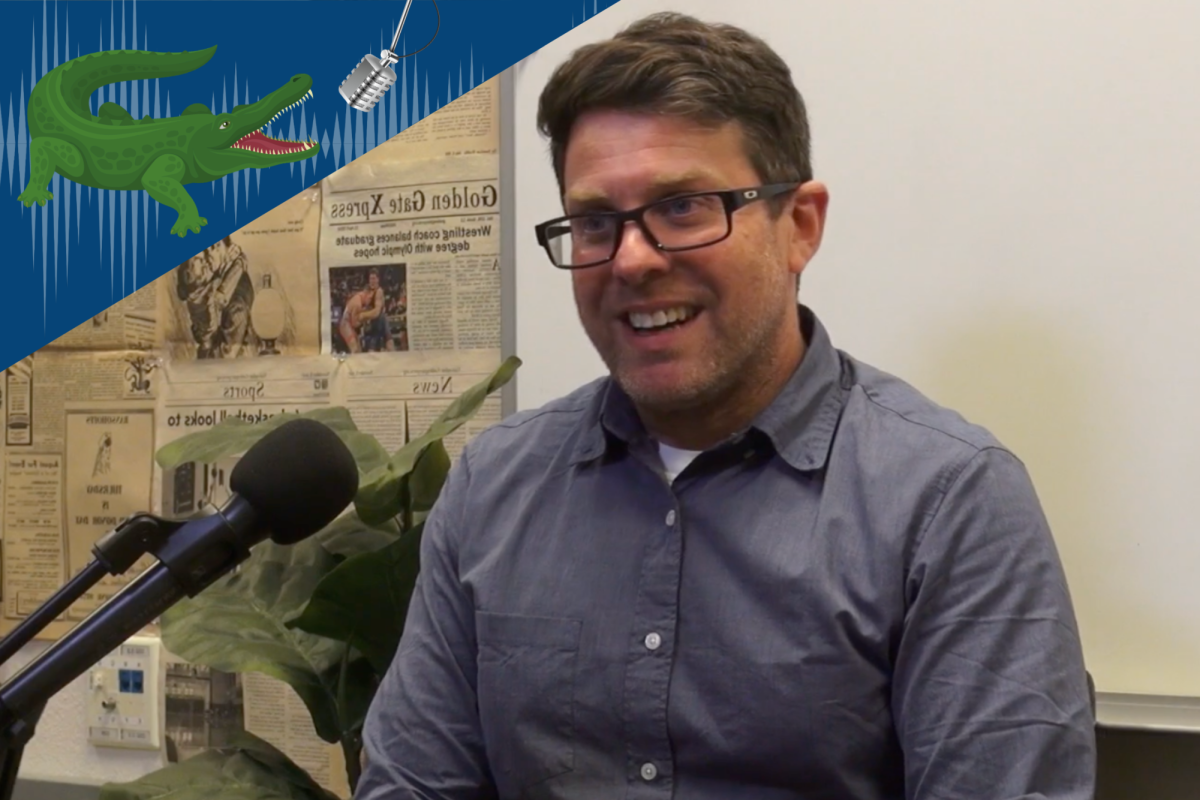
My name is Gisselle Peñuela Solis, I am a student at San Francisco State University and I am a Latina Studies major. I was born in Redwood City, California.
When I was growing up, my family always talked about the importance of our language, culture and food. Mi abuelita, who I nicknamed Ita, would always sing me songs and tell me stories from her motherland, Mexico. These stories were obviously told to me in Spanish and they always made me feel butterflies and reinforced my love for my Mexican heritage. Even now, Spanish films, shows and stories feel more impactful simply because of the language.
Once my younger brothers came into the picture, I noticed a shift away from our Spanish roots. Instead, they turned to the hybrid known as Spanglish. They were defiant to learn Spanish proficiently and seemed to be shy when attempting to speak it. This is when I became aware of the No Sabo subculture embedded within the rising identities of Edgars and Hot Cheeto Girls. I mention this subculture since I strongly believe that the new generation’s disconnect to the Spanish language is due to the alienization of Spanish.
Throughout history, we have seen Spanish speaking folks targeted, whether it be through the lynchings in the south or English-only curriculums. Now, with the DHS and ICE escalations that are profiling Spanish-speaking folks, there continues to be fear associated with speaking our non-English languages.
Despite that, we must continue to celebrate any attempts to connect with our non-English languages whether it be through hybrids like Spanglish or simply consuming Spanish media to train our ears and remember our roots.
Gisselle Peñuela Solis 00:29 – 02:00
Mi nombre es Gisselle Peñuela Solis, soy un estudiante en San Francisco State University y tengo una especialización en el estudio Latine. Nací en Redwood City, California.
Cuando estaba en mi niñez, mi familia siempre hablaba sobre la importancia de nuestro lenguaje, cultura, y comida. Mi abuelita, a quien le puse el apodo de Ita, siempre me cantaba canciones y me contaba historias de su tierra, México. Obviamente, me contó estas historias en español. Los cuentos siempre me hacían sentir mariposas en el estómago y reforzaron mi amor por mi herencia Mexicana. Hasta ahora, las películas, series de televisión, y cuentos en Español se sienten más impactantes simplemente por el lenguaje.
Cuando mis hermanos menores entraron en la foto, noté que empezaron a alejarse de sus raíces hispanohablantes. Sino que empezaron a usar el lenguaje híbrido spanglish. Se negaron a ser competentes en español y parecían avergonzados al hablarlo. Fue entonces que me enteré de la subcultura No Sabo que se encuentra entre las identidades emergentes como Edgars y Hot Cheeto Girls. Estoy mencionando esta subcultura porque creo firmemente que la separación que hay entre el español y las nuevas generaciones es debido a la alienación de español.
Durante la historia, hemos visto que los hispanohablantes han sido señalados, sea en el caso de los linchamientos en el sur del país o con curriculums monolingües. Ahora, con las escalaciones de DHS y ICE que están señalando a personas hispanohablantes, continua el miedo asociado con hablar nuestros idiomas que no sean inglés.
A pesar de ello, debemos seguir celebrando los intentos por reconectar con nuestros lenguajes nativos sea por medio de híbridos como spanglish o al consumir los medios en español para entrenar nuestros oídos y recordar nuestras raíces.

Daisy Martin del Campo 02:00 – 04:34
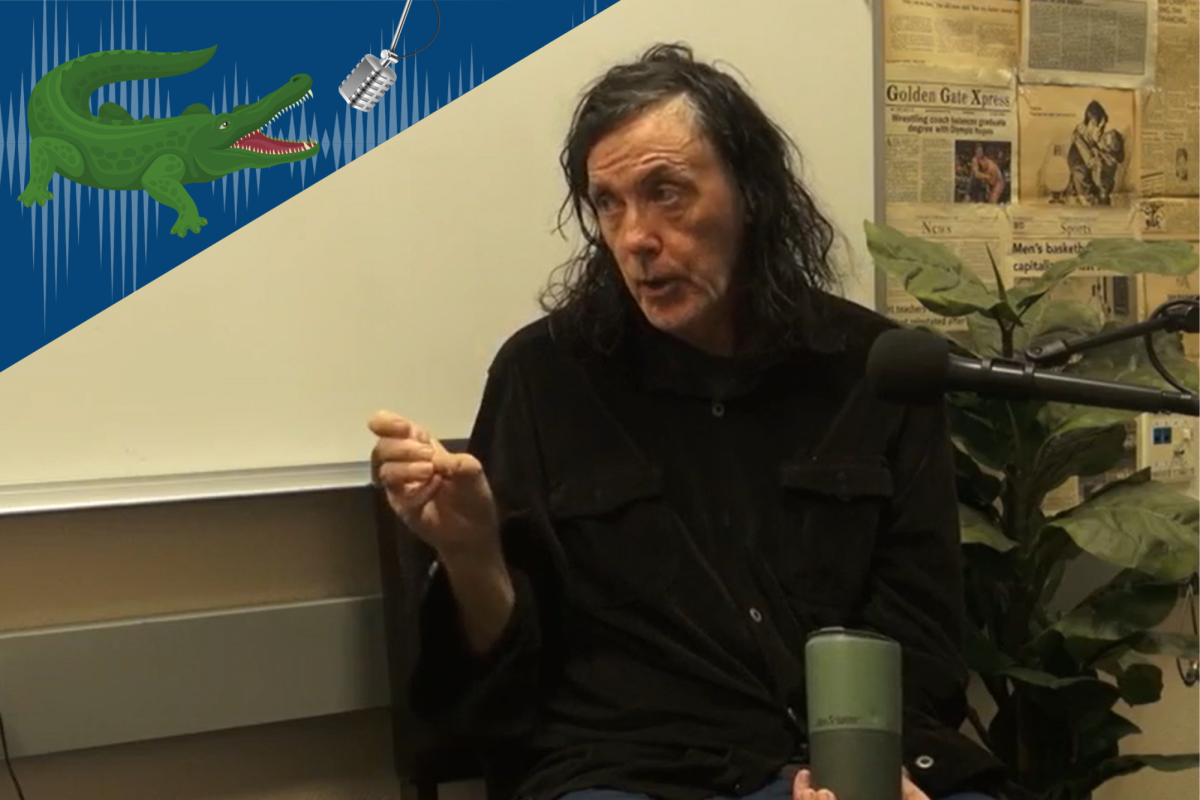
My name is Daisy Martin del Campo, I am a student here at San Francisco State University. My major is Spanish and I was born in St. Helena, California.
Language is fundamental for passing down traditions, history and values and also for connecting with our ancestors. In many Latin American families, language is a way to keep the culture alive and to pass down stories and customs from generation to generation. But at the same time, I believe that the love and strength of our community have no language, and that language is not always the most important thing.
I was born in St. Helena, California, but I was conceived in Mexico. I have always felt a very strong connection to my homeland. I recognize that part of that connection comes from speaking Spanish, because the language allows me to communicate with my family and better understand many traditions and ways of thinking. But I also believe that a large part of that connection comes from my own desire to learn about my culture and my roots.
For example, the only reason I am bilingual and can speak both English and Spanish today is because my parents and siblings pushed me to maintain my Spanish. When I was younger, there was a time when I didn’t want to speak Spanish because I wanted to fit in with my classmates at school. I thought that speaking only English would help me feel more included. But my family didn’t agree, and thanks to them, I continued speaking Spanish.
Now, looking back, I am very grateful for that. Keeping the language helped me develop a deeper connection with my culture, and today, Spanish has even become my field of study and part of my future career.
At the same time, I also know how people who did not have the same pressure from their families to speak Spanish and are still very connected to Latin American culture. They participate in traditions, understand the history and feel proud of their roots, even if they do not speak the language fluently.
That is why, for me, language is very important, but it is not the only thing that defines a connection to culture. The intention to learn your history, respect your roots and want to keep your culture alive is also equally important.
And for those who believe that language is essential to Latin American culture, I also think it is important to remember that it is never too late to learn. If someone wants to reconnect with their language or their culture, there is always room to do so. And if you are bilingual, instead of judging those who do not speak the language, I think the best thing we can do is help them learn and share with pride.
Daisy Martin del Campo 02:00 – 04:34
El idioma es fundamental para la transmisión de tradiciones, historia y valores, y también para poder conectar con nuestros ancestros. En muchas familias latinoamericanas, el idioma es una forma de mantener viva la cultura y de pasar historias y costumbres de generación en generación. Pero al mismo tiempo, creo que el amor y la fortaleza de nuestra comunidad no tienen idioma y que el idioma no siempre es lo más importante.
Nací en St. Helena, California, pero fui concebida en Mexico. Siempre he tenido una conexión muy fuerte con mi patria. Reconozco que una parte de esa conexión viene de hablar español, porque el idioma me permite comunicarme con mi familia y entender mejor muchas tradiciones y formas de pensar. Pero también creo que una gran parte de esa conexión viene de mi propia voluntad de conocer mi cultura y mis raíces.
Por ejemplo, la única razón por la que soy bilingüe y puedo hablar inglés y español hoy en día es porque mis padres y mis hermanos me presionaron a mantener el español. Cuando era más joven hubo un momento en que no quería hablar español porque quería encajar con mis compañeras en la escuela. Pensaba que hablar solo inglés me ayudaría a sentirme más incluida. Pero mi familia no estuvo de acuerdo, y gracias a ellos seguí hablando español en casa.
Ahora, mirando hacia atrás, estoy muy agradecida por eso. Mantener el idioma me ayudó a desarrollar una conexión más profunda con mi cultura, y hoy en día el español incluso se ha convertido en mi área de estudio y parte de mi futura carrera.
Al mismo tiempo, también conozco personas que no tuvieron la misma presión de su familia para hablar español y aun así están muy conectadas con la cultura latinoamericana. Participan en tradiciones, entienden la historia y se sienten orgullosos de sus raíces aunque no hablen el idioma con fluidez.
Por eso, para mi el idioma es muy importante, pero no es lo único que define la conexión con la cultura. La intención de conocer tu historia, respetar tus raíces y querer mantener viva la cultura también es muy importante.
Y para las personas que creen que el idioma es fundamental para la cultura latinoamericana, creo que también es importante recordar que nunca es tarde para aprender. Si alguien quiere reconectarse con su idioma o su cultura, siempre hay espacio para hacerlo. Y si eres bilingüe, en lugar de juzgar a las personas que no hablan el idioma, creo que lo mejor podemos hacer es ayudarles a aprender y compartir con orgullo.

Marco Federico Moreno 04:34 – 07:14
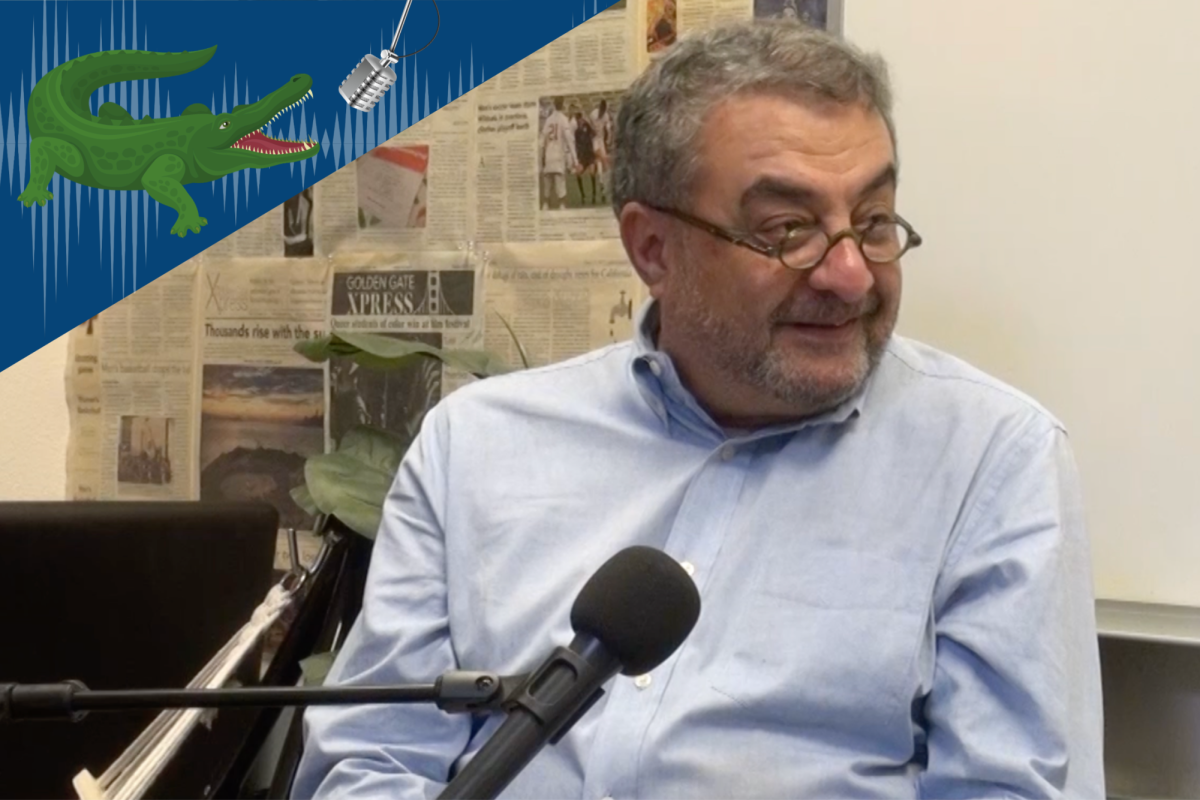
I’m Marco Federico Moreno, at your service. I’m here studying a double major in Spanish and cinema here at San Francisco State University and I was born and raised in Bakersfield, California, in the Central Valley, San Joaquin.
You live in the United States, you’re from America, you’re “american,” but not American because your family is not from America. You’re simultaneously from the United States but also maybe Latino.
On Latino land, you aren’t gringo but also not a local, you’re a stranger in the United States but not a prime yanqui, even though you’re from the other side, you’re not a gabacho. Maybe you’re Nuyorican, or “Mexican-American,” some are Chicanos and others are Native Americans, there’s first nations, indigenous tribes and there are ancestral peoples.
But dad, where in all these consonants are there constants?
What language does a real American speak anyways? Eh? Quechua? Nahuatl? Navajo? Old Norse? Spanish? Portuguese? French? English? Russian? Tagalog? Chavacano? Caló? Nihongo? Kwan Tung Wa? Punjabi? Arabic? Why is Spanish considered a foreign language here but English isn’t?
You’ve got Spanish in you because you were born in a world of Spanish words and romantic sentiments. You were born and discovered indigenous roots through your father who was too embarrassed to speak Nahuatl despite knowing well how to speak it. Spanish as a result of the conquest, the caste and male chauvinism. Do we have to decide whether a language conquers us? Spanish is not what defines us but we are defined by Spanish. What language do the victims of ICE speak? What language do the guards speak? The punishers? The modern cavalry? What matters to us more? The imperialism of the past or the present one?
I speak what I speak, sometimes I speak what thou speak. I’m a stranger in your land but not in mine. I’m American because I’m Latin American. My parents are Mexican and I’m mestizo because I was born on the other side. Speaking English but learning Spanish made me less Mexican, and at the same time, more Latino and even more American. I’m from the lands of Zorro el Don Diego de la Vega. I am from the breadbasket of the world in the land of milk and honey. I’m from Alta California and I’m Californian, and Californian you are too.
Marco Federico Moreno 04:34 – 07:14
Vives en los Estados Unidos, eres de América, eres americano, pero no American because your family is not from America. Eres al mismo tiempo estadounidense pero también tal vez latino.
En tierra latina no eres gringo pero tampoco un local, eres extranjero de los estados unidos pero no un yanqui primo, aunque eres del otro lado no eres uno de los gabachos. Tal vez eres Nuyorican o “Mexican-American”, algunos son chicanos y otros Native Americans, hay first nations, indígenas y hay pueblos ancestrales.
Pero papá, ¿Dónde entre todos estas consonantes hay constantes?
¿Qué lenguaje habla el verdadero Americano? ¿Eh? ¿Quechua? ¿Náhuatl? ¿Návajo? ¿Old Norse? ¿Español? ¿Portugués? ¿Frances? ¿English? ¿Russkyii? ¿Tagolog? ¿Chavacano? ¿Caló? ¿Nihongo? ¿Kwan Tung Wa? ¿Punjabi? ¿Árabi? ¿Por qué se considera el español un lenguaje extranjero pero el inglés no?
Tú tienes el español, porque naciste en este mundo alrededor de palabras españolas y sentimientos románticos. Naciste y descubriste las raíces indígenas por el padre que da vergüenza hablar en Náhuatl aunque lo sabe hablar. El español nos toca de la conquista, de la casta, y del machismo. ¿Tenemos que decidir si un lenguaje nos vence? El español no es lo que nos defina, pero sí nos definamos con el español. ¿Cuál idioma hablan los castigados de ICE? ¿Y cuál idioma habla la guardia? Los castigadores? La caballería contemporánea? ¿Qué nos importa más? ¿El imperialismo de antes o el de ahora?
Hablo lo que hablo, a veces hablo lo que vos habláis. Soy extranjero en vuestras tierras, pero no en la mía. Soy Americano porque soy latinoamericano. Mis padres son mexicanos y soy mestizo nací el otro lado hablando el inglés pero al aprender el español, me hizo menos mexicano pero al mismo tiempo más latino y aún más americano. Soy de las tierras del Zorro El Don Diego de la Vega, soy de la canasta de pan mundial y de las tierras de leche y miel. Soy de Alta California y soy Californiano y Californiano también eres tú.

Edwyn Abraham 07:14 – 09:40
My name is Edwyn Abraham, I am a Spanish major studying at San Francisco State University. I was born and raised in Redwood City, California.
Language is one of the pillars in the Latinx culture because it carries identity, history and spirit. For me, language feels like something more than just words, it feels like a connection to family, culture and tradition. Spanish, along with other cultural expressions, connects many of us to our parents, grandparents and ancestors. When I hear someone speaking Spanish, it often has a special rhythm and emotion that feels warm and familiar. It reminds me of conversations at home, family gatherings and stories that are shared between generations.
In Latino culture, language can almost feel spiritual because it carries feelings, memories and values that go beyond simple communication. The tone of our voices, the expressions we use and the way we tell stories create a rhythm that reflects our culture and identity. Through language, our traditions, music, prayers and everyday experiences are passed down and kept alive.
This makes language an important part of who we are and how we understand the world around us. For many Latinos and Latinas, language is the essence of culture because it keeps our heritage strong while also allowing us to share our perspectives and our experiences. In this way, language becomes a living expression of pride, connection and belonging.
Edwyn Abraham 07:14 – 09:40
Mi nombre es Edwyn Abraham, estoy estudiando español en la Universidad Estatal de San Francisco. Nací y crecí en Redwood City, California.
El lenguaje es uno de los pilares de la cultura latinx porque es emblemática de la identidad, la historia y el espíritu. Para mi, el lenguaje es algo más que simples palabras, se siente como una conexión a la familia, la cultura, y la tradición. El español, en conjunto con otras expresiones culturales, nos une a nuestros padres, abuelos y ancestros. Cuando escucho a alguien hablar español, por lo general tiene un ritmo especial y una emoción que se siente cariñosa y familiar. Me recuerda a las conversaciones en casa, juntas familiares e historias compartidas entre generaciones.
En la cultura latina, el idioma puede sentirse hasta espiritual porque transmite memorias y valores que se extienden más allá de la simple comunicación. El tono de nuestras voces, las expresiones que usamos y la manera en la que contamos historias crea un ritmo que refleja nuestra identidad y cultura. Por medio del idioma, nuestras tradiciones, la música, las oraciones, y las experiencias cotidianas se heredan y mantienen vivas. Por ende el lenguaje forma una parte importante de nuestra identidad y de cómo interpretamos el mundo que nos rodea. Para muchos latinos y latinas, el lenguaje es la esencia de la cultura porque mantiene fuerte nuestra herencia y nos deja compartir nuestra perspectiva y experiencias. De esta forma, el lenguaje se convierte en una expresión viviente de nuestro orgullo, conexión y sentimiento de comunidad.
Melanie Ochoa 09:41 – 09:55
That’s all for today, Gators. Thank you for listening to episode 3 of Voces Latinas. If you identify as Latine and would like to share your own thoughts, please reach out to me via email at [email protected].
Melanie Ochoa 09:41 – 09:55
Eso es todo para hoy Gators. Gracias por haber escuchado el tercer episodio de Voces Latinas. Si te identificas como Latine y te gustaría compartir tus pensamientos, por favor comunícate conmigo por medio del correo electrónico [email protected].