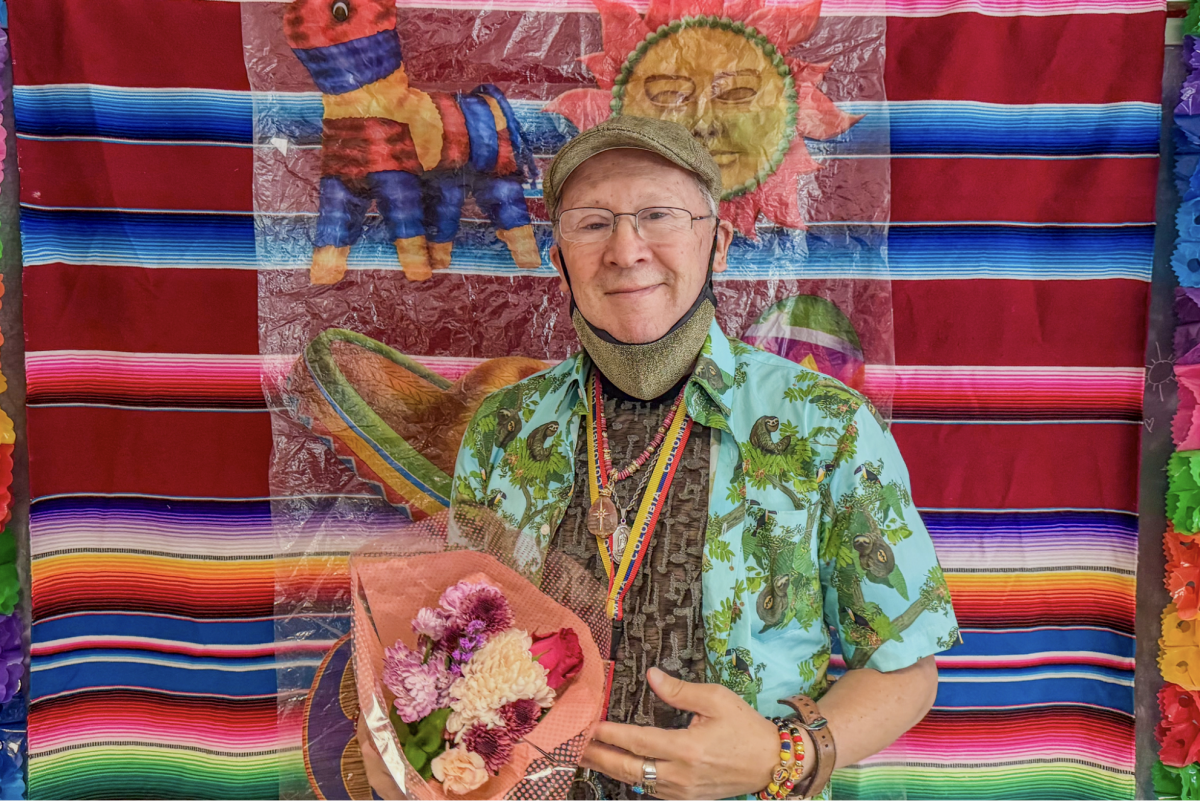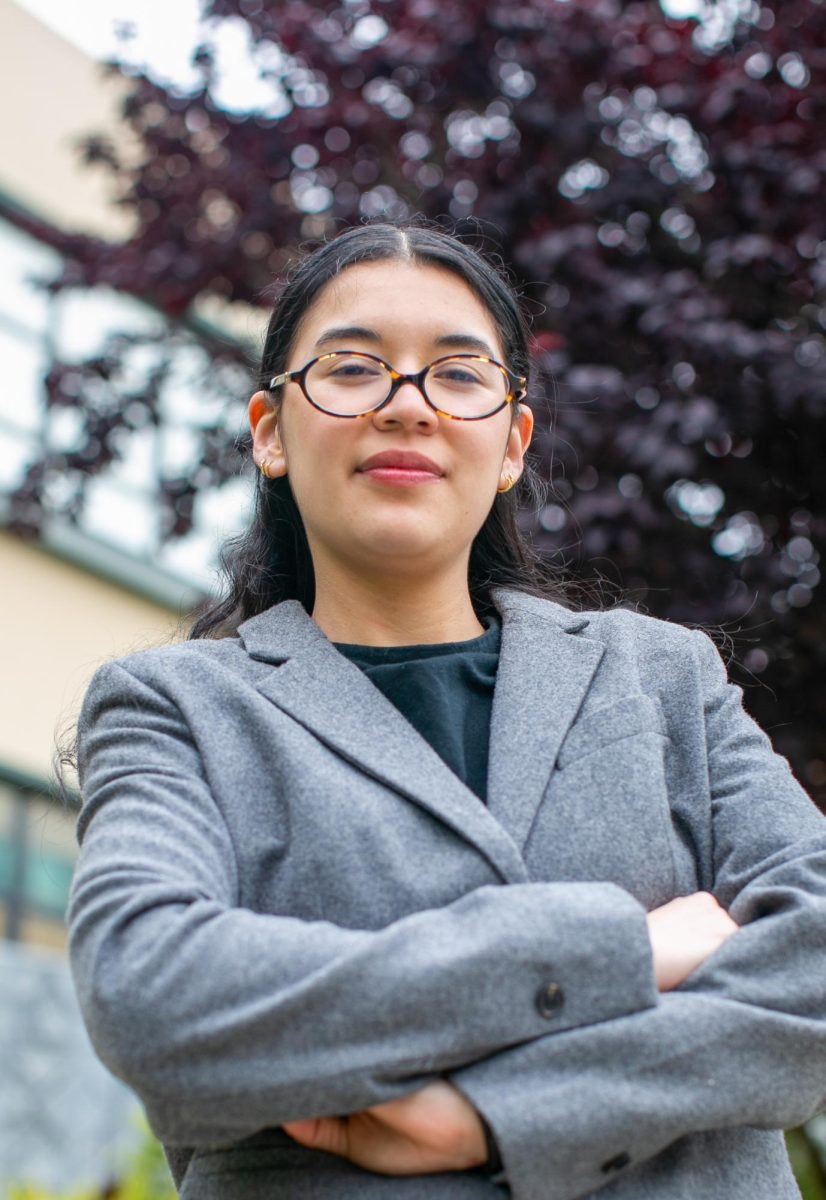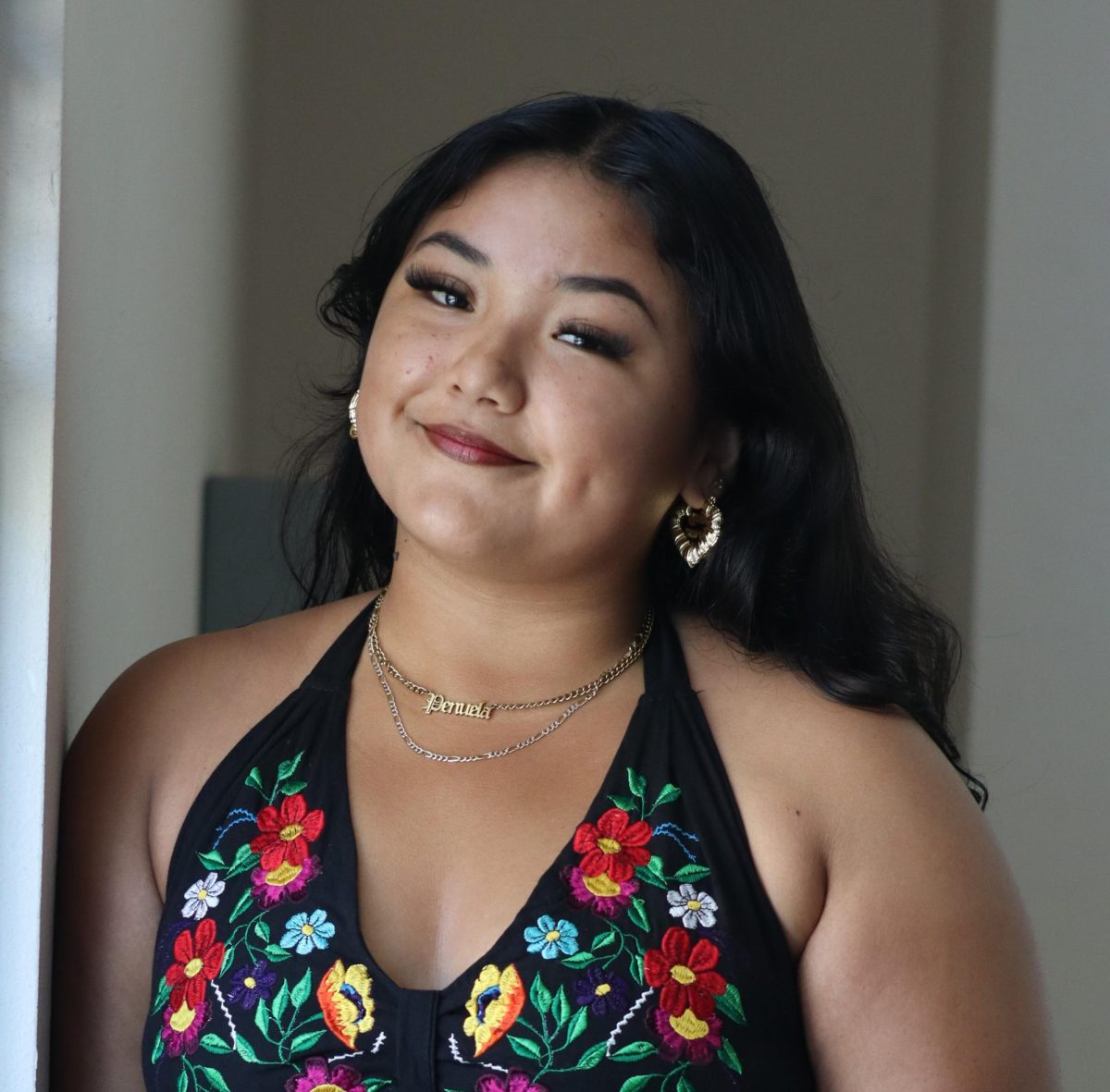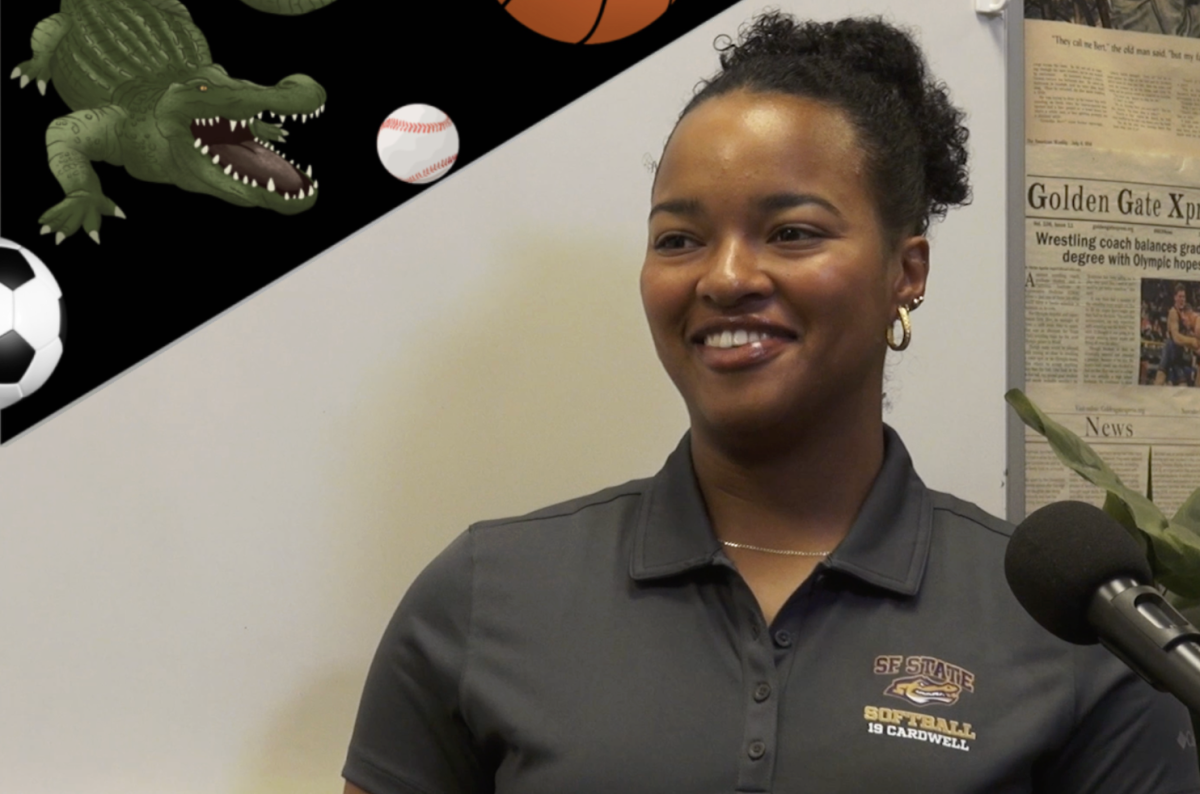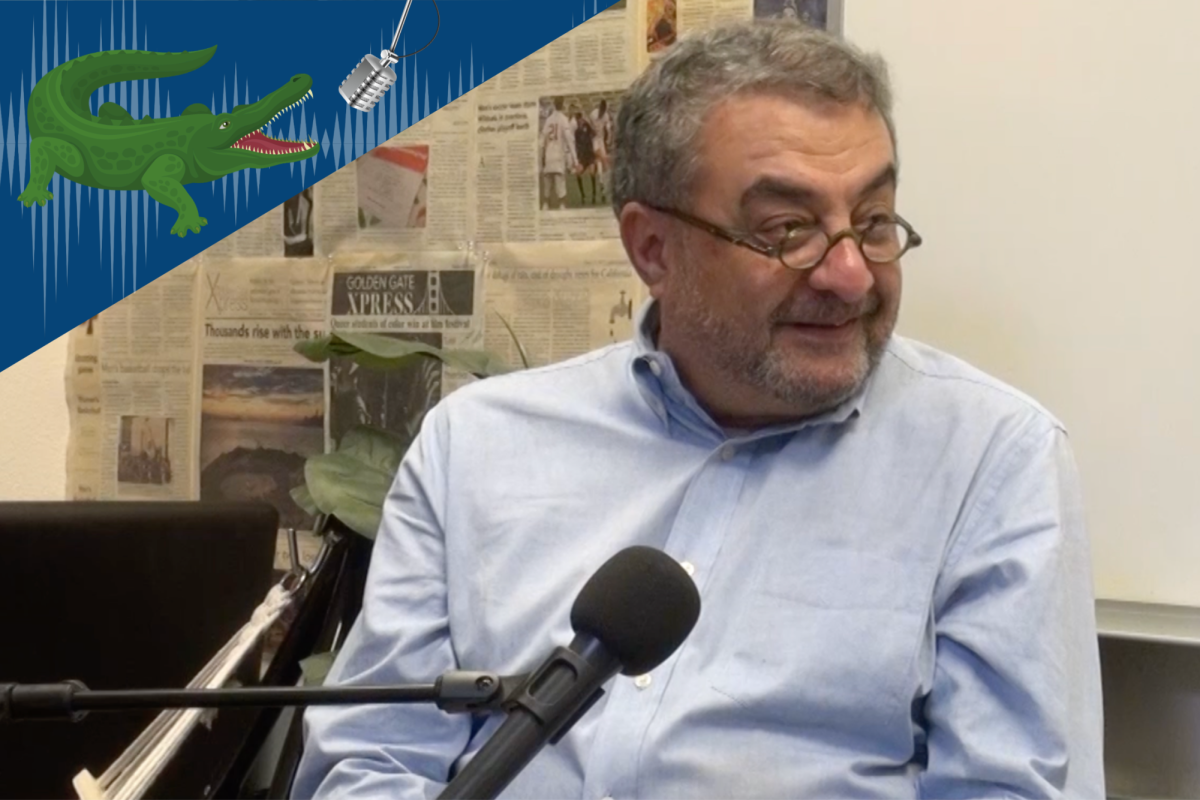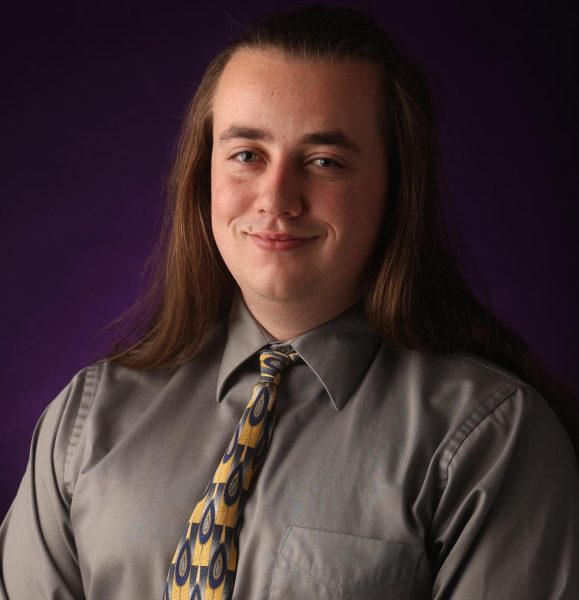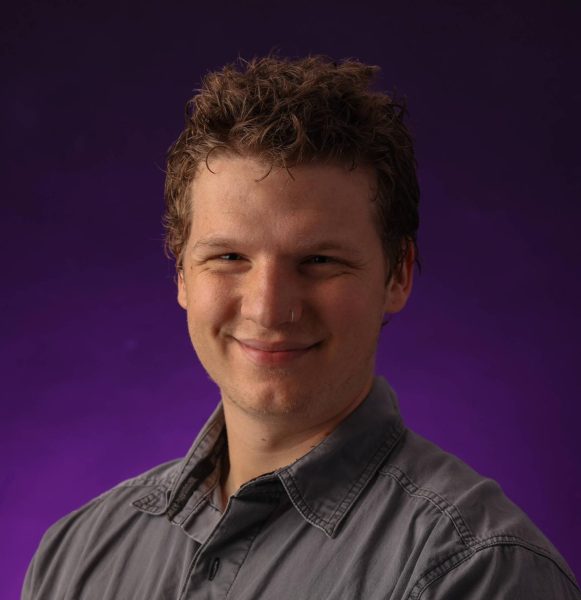

In this series, Voces Latinas, Golden Gate Xpress has gathered students from San Francisco State University to share their personal thoughts on questions pertinent to the Latinx community relating to identity, immigration and culture. In this episode, students talk about their experiences and opinions on the role language plays in Latinx identity.
At SFSU, Latinx students are 36% of the student body, making them the largest ethnic group on campus. The following audios feature their voices in English and Spanish.
If you identify as Latin/o/a/x and would like to share your own thoughts, please reach out to our Spanish Editor, Melanie Ochoa, at [email protected].
En esta serie, Voces Latinas, Golden Gate Xpress ha reunido a estudiantes de la Universidad Estatal de San Francisco para compartir sus opiniones personales acerca de asuntos pertinentes a la comunidad Latina como la identidad, la immigracion, y la cultura. En este episodio, los estudiantes hablan sobre sus experiencias y opiniones sobre el papel que desempeña el lenguaje en la identidad Latinx.
En SFSU, los estudiantes latinos/as componen el 36% del cuerpo estudiantil, son el grupo étnico más grande en nuestro campus. Los siguientes audios presentan sus voces en inglés y español.
Si usted se identifica como Latino/a/x y desea compartir su perspectiva por favor contáctese con la editora de español, Melanie Ochoa, por medio del correo [email protected].
TRANSCRIPT
Melanie Ochoa 00:00 – 00:30
Hey there, Gators! Welcome back to Voces Latinas, a series where Golden Gate Xpress has gathered students from San Francisco State University to share their personal thoughts on relevant questions to the Latinx community related to identity, immigration and culture.
My name is Melanie Ochoa, the current Spanish editor for GGX. This episode continues the question, what role does language play in Latinx culture? The following audios you’re about to hear feature student voices in English and Spanish.
Melanie Ochoa 00:00 – 00:30
¡Hola Gators! Bienvenidos de vuelta a Voces Latinas, una serie en la que Golden Gate Xpress ha reunido a estudiantes de la Universidad Estatal de San Francisco para que compartan sus pensamientos sobre preguntas importantes a la comunidad latinx en relación a la identidad, la inmigracion y la cultura.
Mi nombre es Melanie Ochoa, la editora de español actual para GGX. Este episodio continúa con la pregunta, ¿qué papel desempeña el lenguaje en la cultura latina? Los audios que está a punto de escuchar destacan sus voces estudiantiles en inglés y español.

Luisa Atoche 00:30 – 02:17
My name is Luisa Atoche, I am a biology major at San Francisco State University and I was born in Lima, Peru.
I moved to the United States when I was 14 years old without knowing the culture or the language, and it was terrifying. I still remember my first day of school. I was so scared, and they placed me in a classroom with other Spanish-speaking students, which actually made me feel a little more comfortable. However, later that day, I got lost when trying to find my dance classroom because I couldn’t communicate with anyone. I ended up sitting alone in the quad during lunch because I didn’t know how to make friends yet. That experience made me realize how important language is when coming to a new country. Being able to communicate opens the door to opportunities, connections and a sense of belonging. Language helps build community and makes people feel seen.
Later, in community college, I felt insecure again, but this time because of my accent. I could speak English, but sometimes my pronunciation wasn’t perfect and my accent made me feel insecure. However, after transferring to San Francisco State and taking a Latine history class, I understood that my accent honored my culture and roots. Now I feel proud of speaking two languages and being able to connect with different cultures. I want to keep learning more languages to keep expanding my community and to connect with more cultures. For me, language is not just communication; it is identity, community and pride.
Luisa Atoche 00:30 – 02:17
Mi nombre es Luisa Atoche, estudio la carrera de biología en la Universidad Estatal de San Francisco y nací en Lima, Perú.
Yo vine a los Estados Unidos cuando tenía 14 años, sin saber la cultura o el idioma, y fue aterrador. Aun recuerdo mi primer día de escuela, estaba muy asustada y me colocaron en un salón con otros estudiantes que hablaban español lo cual me hizo sentir un poco más cómoda. Sin embargo, más tarde ese mismo día me perdí intentando buscar mi salón de danza porque no me podía comunicar con nadie. En el receso me terminé quedando sola en el patio porque todavía no podía hacer amigos. Esa experiencia me hizo darme cuenta lo importante que es el idioma al llegar a un país nuevo. Poder comunicarse abre la puerta a oportunidades, conexiones y un sentido de pertenencia. El idioma ayuda a construir comunidades y hace que las personas se sientan vistas.
Más adelante en mi escuela comunitaria, volví a sentirme insegura pero esta vez por mi acento. Podría hablar inglés, pero a veces mi pronunciación no era perfecta y mi acento me hacía sentir insegura. Sin embargo, después de que llegue a la Universidad Estatal de San Francisco y tome una clase de historia Latina entendí que mi acento hace honor a mi cultura y mis raíces. Ahora me siento orgullosa de hablar dos idiomas y conectar con diferentes culturas. Quiero seguir aprendiendo más idiomas para poder expandir mi comunidad y poder llegar a conocer más culturas. Para mí, el idioma no es sólo comunicación, es identidad, comunidad y orgullo.

Gabriel Garcia 02:18 – 03:37
My name is Gabriel Garcia. I am a journalism student at San Francisco State University. I was born in San Rafael, California.
I believe the language determines how I talk to my family members such as my parents, cousins, uncles and aunts. When I speak in Spanish, it is different compared to talking to my friends in English. You might notice that Spanish is a language that can help you communicate with other people who are coming into the United States and have a difficult time speaking English. When I volunteered at the Guatemalan Embassy in San Rafael, I noticed that people needed help to get a passport or a visa, and these people couldn’t speak English and that’s why I am proud of speaking Spanish because it is a superpower and it’s part of my parent’s blood.
Language is important when trying new cuisines such as Peruvian food, Cuban, Mexican, Salvadorian and Guatemalan. When I tried Peruvian food for the first time, my mind was thinking that this dish was delicious. The dish that I tried was Lomo Saltado, it has steak, onions, tomato, rice and french fries. Whenever I go to Peruvian restaurants, like Limon on Valencia Street or Mochica over at 18th Street and Connecticut Street, I speak to the wait staff in Spanish and I know what to order every time.
Gabriel Garcia 02:18 – 03:37
Mi nombre es Gabriel Garcai, soy un estudiante de periodismo en la Universidad Estatal de San Francisco. Nací en San Rafael, California.
Yo creo que el lenguaje determina la manera en que le hablo a mis parientes como a mis padres, mis primos, tíos y tías. Cuando hablo español es diferente a cuando hablo con mis amigos en inglés. Quizás notes que el español es un lenguaje que te ayuda a comunicarte con personas que llegan a los Estados Unidos y se les hace difícil hablar inglés. Cuando fui voluntario en la embajada guatemalteca en San Rafael pude notar que la gente necesitaba ayuda para conseguir un pasaporte o visa porque no podían hablar inglés y por eso estoy orgulloso de hablar español porque es un superpoder y parte de la herencia de mis padres.
El lenguaje es importante cuando se prueban nuevas comidas como la comida peruana, cubana, mexicana, salvadoreña y guatemalteca. Cuando probé la comida peruana por primera vez, me pensé a mi mismo que el plato era muy delicioso. El plato que probé fue el lomo saltado, tiene bistec, cebolla, tomate, arroz y papas fritas. Todas las veces que voy a restaurantes peruanos como Limón por la calle Valencia o Mochica por la calle 18 y Connecticut le hablo a los meseros en español y sé que ordenar cada vez que voy.

Melany Perez 03:38 – 05:27
I’m Melany Perez, I’m studying Spanish at San Francisco State University and I was born in Santo Domingo, Dominican Republic.
I think language is very important for the Latinx community, both because of the weight it holds in our individual identities and because of how it unites us as a community. We have a wide variety of people who belong to different cultural and ethnic groups, and I believe that language is one of the fundamental pillars that unites us under a shared identity. Thanks to this union, largely due to language, people from a great number of places can celebrate our similarities and differences. These differences sometimes manifest in the way language is used, in the form of dialects and accents.
As an immigrant, I’ve lived in places where language is used very differently. I’m originally from the Dominican Republic, I emigrated to Spain at 13 years old and moved to the United States at 23 to go to college. We Dominicans have a very distinct dialect that often draws attention. When I moved to Spain, I realized how important language is to understand a culture: without understanding the use and nuances of words for the speakers of a region, we miss out on many of the experiences that help us learn how to understand the local culture of a place. Later on, when I moved to the United States, the significance of language changed for me, mainly because we live in a country where English is the dominant language.
Last semester, I changed my major to Spanish and I started taking classes in Spanish for the first time in five years. I was surprised at how comfortable I felt in Spanish classes. Now, I feel like I’m part of a community and not that I’m just another student.
Melany Perez 03:38 – 05:27
Soy Melany Perez, soy estudiante de español en la Universidad Estatal de San Francisco y nací en Santo Domingo, República Dominicana.
Yo creo que el idioma es muy importante para la comunidad latina, tanto por el peso que tiene en nuestras identidades individuales, como por cómo nos une como comunidad. Dentro de nuestra comunidad contamos con una gran variedad de personas que pertenecen a distintos grupos culturales y étnicos, y yo considero que el idioma es uno de los pilares fundamentales que logran unirnos bajo una misma identidad. Gracias a esta unión debida en gran parte al idioma, las personas de un gran número de lugares podemos celebrar tanto nuestros parecidos como nuestras diferencias. Estas diferencias a veces se manifiestan dentro del uso del idioma, en forma de dialectos y acentos.
Como inmigrante, yo he vivido en sitios donde el uso del idioma es muy diferente. Soy originalmente de República Dominicana, inmigré a España con mi madre a los 13 años y me mudé a los Estados Unidos con 23 años para ir a la universidad. Los dominicanos tenemos un dialecto muy característico nuestro que suele llamar la atención. Al emigrar a España me di cuenta de lo importante que es el idioma para entender una cultura: sin entender el uso y matiz de las palabras para los hablantes de una zona, se pierden muchas de las experiencias que nos ayudan a aprender a entender la cultura local de un sitio. Luego, al mudarme a los Estados Unidos, el significado del idioma para mí cambió, en gran parte porque vivimos en un país donde mayormente se habla inglés.
El semestre pasado cambié de carrera al Español y empecé a tomar clases en español por primera vez en 5 años. Me sorprendió sentirme tan cómoda en las clases de español. Ahora siento que formo parte de una comunidad, y no solo que soy solo una estudiante más.
Melanie Ochoa 05:28 – 05:43
That’s all for today, Gators! Thank you for listening to episode 4 of Voces Latinas. If you identify as Latina/o/e/x and would like to participate by sharing your personal thoughts, please reach out to me via email at [email protected].
Melanie Ochoa 05:28 – 05:43
Eso es todo para hoy Gators! Gracias por haber escuchado el cuarto episodio de Voces Latinas. Si te identificas como latino/a/e/x y te gustaría participar al compartir tus propios pensamientos por favor comunícate conmigo por medio del correo [email protected].