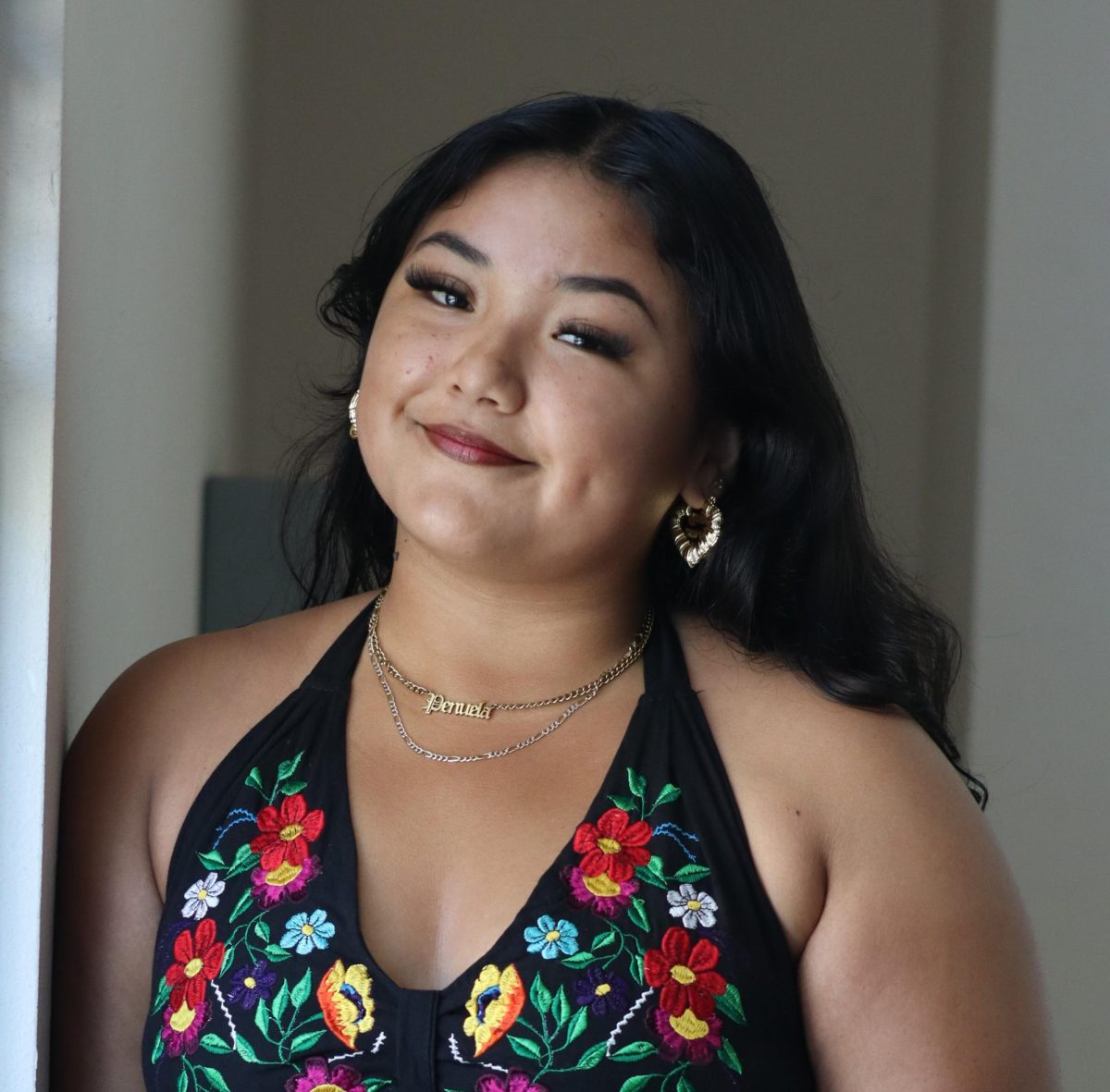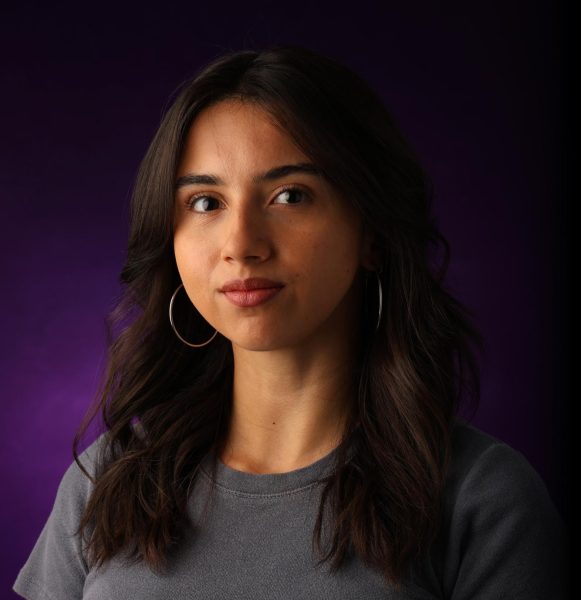

In this series, Voces Latinas, Golden Gate Xpress has gathered students from San Francisco State University to share their personal thoughts on pertinent questions to the Latinx community related to identity, immigration and culture. In this episode, we focus on the topic of what it means to be Latino.
At SFSU, Latinx students make up 36% of the student body, making them the largest ethnic group on campus. The following audios feature their voices in English and Spanish.
If you identify as Latin/o/a/x and would like to share your own thoughts, please reach out to our Spanish Editor, Melanie Ochoa, at [email protected].
En esta serie, Voces Latinas, Golden Gate Xpress ha reunido a estudiantes de la Universidad Estatal de San Francisco para compartir sus opiniones personales acerca de asuntos pertinentes a la comunidad Latina como la identidad, la immigracion, y la cultura. En este primer segmento abordamos el tema de que significa ser Latino.
En SFSU, los estudiantes latinos/as componen el 36% del cuerpo estudiantil, son el grupo étnico más grande en nuestro campus. Los siguientes audios presentan sus voces en inglés y español.
Si usted se identifica como Latino/a/x y desea compartir su perspectiva por favor contáctese con la editora de español, Melanie Ochoa, por medio del correo [email protected].
Melanie Ochoa 00:00 – 00:31
Hey there, Gators. Welcome back to Voces Latinas, a series where Golden Gate Xpress has gathered students from San Francisco State University to share their personal thoughts on relevant questions to the Latinx community related to identity, immigration and culture. My name is Melanie Ochoa, the current Spanish editor for GGX. This is Episode 2, where students continue to explore the question, “What does it mean to be Latinx?” The audios you are about to hear feature their voices in English and Spanish.
Melanie Ochoa 00:00 – 00:31
Hola Gators. Bienvenidos de vuelta a Voces Latinas, una serie donde Golden Gate Xpress ha reunido a estudiantes de la Universidad Estatal de San Francisco para compartir sus pensamientos personales sobre preguntas relevantes a la comunidad latina en relación a la identidad, la inmigración y la cultura. Mi nombre es Melanie Ochoa, la editora de español actual de GGX. Este es el segundo episodio donde estudiantes siguen explorando la pregunta, ¿qué significa ser latino? Los audios que estás a punto de escuchar destacan sus voces en inglés y español.
Click each photo to jump to their story:
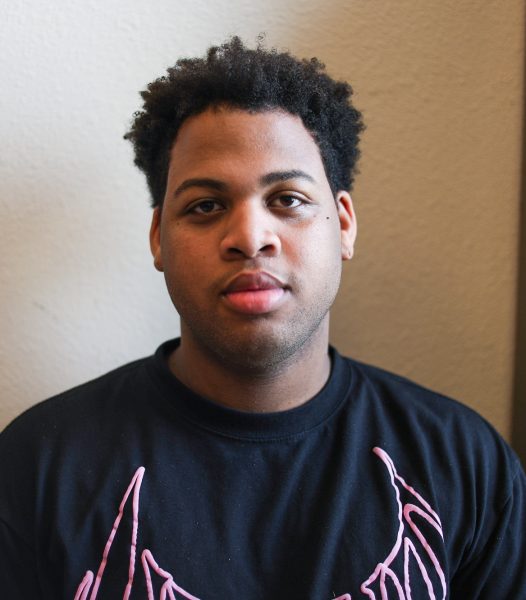
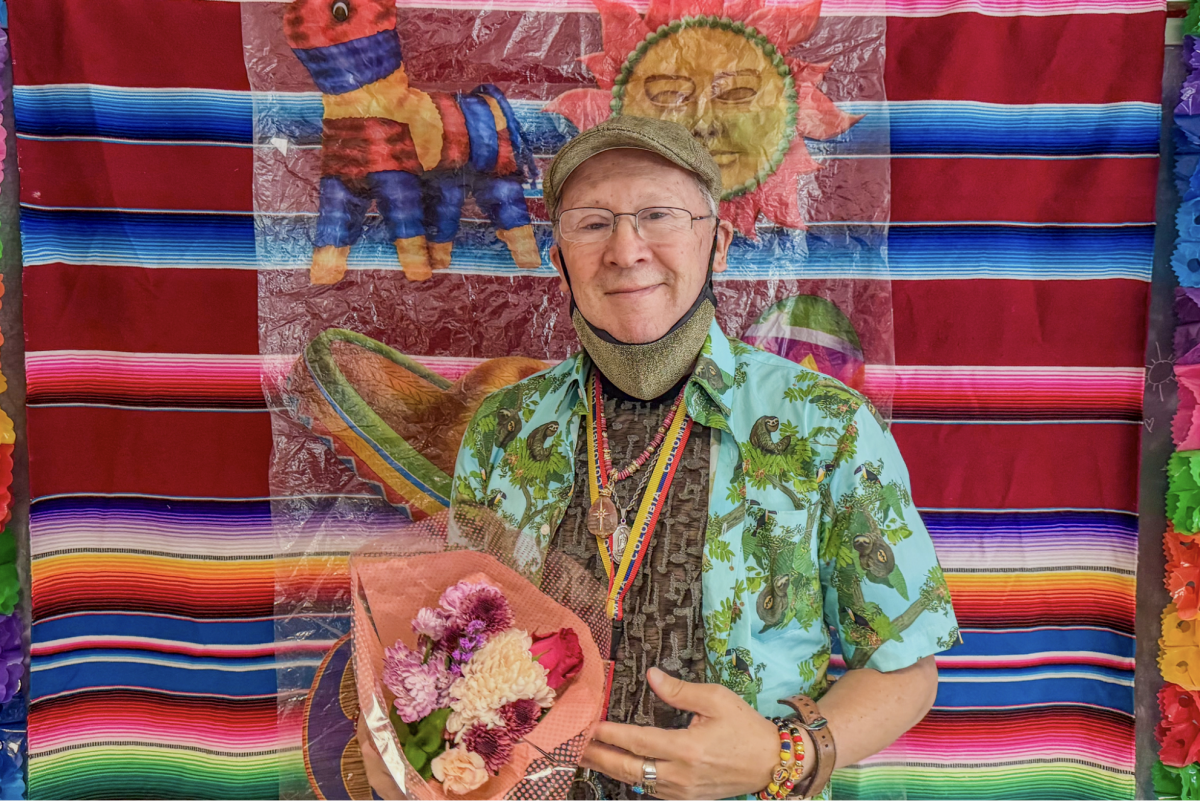
Yeisel Diaz Ortiz 00:31 – 02:44
My name is Yeisel Diaz Ortiz, I’m a kinesiology student at San Francisco State University and I was born in Holguín, Cuba. What does it mean to be Hispanic or Latino in this country? From my perspective, I’d never seen so much division between people until I arrived in the United States. For the first time in my life, it was “us and them.” The truth is, it’s always been, and continues to be, an honor to go places and say I am Cuban. On one hand, it is difficult being Latino in this country because you’re far from your own, you have to grow accustomed to a language that isn’t yours and work a profession you maybe didn’t study back in your country. I had the incredible privilege of coming here relatively young, at 12 years old, and to have my parents and brother with me. Because every time I think about what it means to be Latino, what comes to mind are the holidays spent without grandma and New Years without friends.
Another thought that comes to mind when they ask me what it means to be Latino, is overcoming challenges. We come to this country for better opportunities. The motivation for many young Latinos in this country to keep studying stems from the sacrifices of many parents, who, after arriving, gave them a better education for a brighter future. We young folk see that sacrifice, and we want to give our parents a better future like they wish for us.
I think that we matter a lot in this country because we bring culture, food and dance. For example, Mexican food is one of the most consumed foods in California. And I’d dare to say that Latin culture in general is celebrated here. The music they enjoy was made by us; Cuban salsa, Dominican merengue and Puerto Rican reggaeton. And like these, there are many more examples.
Being Latino or Hispanic in this country also means we contribute a large part in the economy of the country, launching its growth with a large labor force, like work in the fields, construction, plumbing and everything that has to do with manual labor. And at the same time, we are consumers and sellers in this country. In conclusion, being Latino is a blend of seasoning with courage and drive to move forward.
Yeisel Diaz Ortiz 00:31 – 02:44
Mi nombre es Yeisel Diaz Ortiz, soy estudiante de kinesiología en la Universidad Estatal de San Francisco y nací en Holguín, Cuba. ¿Qué significa ser latino o hispano en este país? Desde mi punto de vista nunca había sentido tanta división entre las personas hasta que llegué a los Estados Unidos, por primera vez en mi vida fue “ellos y nosotros”. Pero la verdad siempre fue y es un orgullo llegar a algún lugar y decir que soy cubano. Es difícil por una parte ser latino en este país ya que estás lejos de los tuyos, de que te tienes que acostumbrar a un idioma que no es el tuyo, y trabajar en profesiones que quizás no fue la que estudiaste en tu país. Yo tuve el maravilloso privilegio de venir relativamente pequeño, a los 12 años, y de tener a mis padres y hermano conmigo, porque cada vez que me preguntan qué significa ser latino, se me viene a la mente las navidades sin abuela o los fines de años sin tus amigos.
Otro pensamiento que se me viene a la cabeza, al preguntarme qué significa ser latino, es el de superación. Ya que vinimos a este país por mejores oportunidades. El impulso de muchos jóvenes latinos en este país para seguir estudiando se debe al sacrificio de muchos padres, para llegar aquí, y darles una mejor educación para que tengan un mejor futuro. Y los jóvenes vemos ese sacrificio y así mismo como nuestros padres quieren un buen futuro para nosotros nosotros les queremos dar uno a ellos.
Y yo sé que significamos mucho en este país porque nosotros traemos cultura, comida y bailes. Por ejemplo, México con su comida en California es una de las más consumidas en toda California y me atrevería a decir que lo es. La cultura latina en general que festejan aquí, las músicas que disfrutan que fueron hechas por nosotros. La salsa cubana, el merengue dominicano el reggaeton puertorriqueño. Y como estos ejemplos muchos más.
Ser latino o hispano en este país también significa que contribuimos con una gran parte de la economía de este país, impulsando el crecimiento del país con una gran participación laboral, como trabajos de campo, construcción, plomería. Todo lo que tiene que ver con trabajo de fuerza y a la misma vez ayudamos con el consumo y venta del país.
En conclusión, ser latino es una mezcla de sazón con coraje y de ganas de seguir adelante.

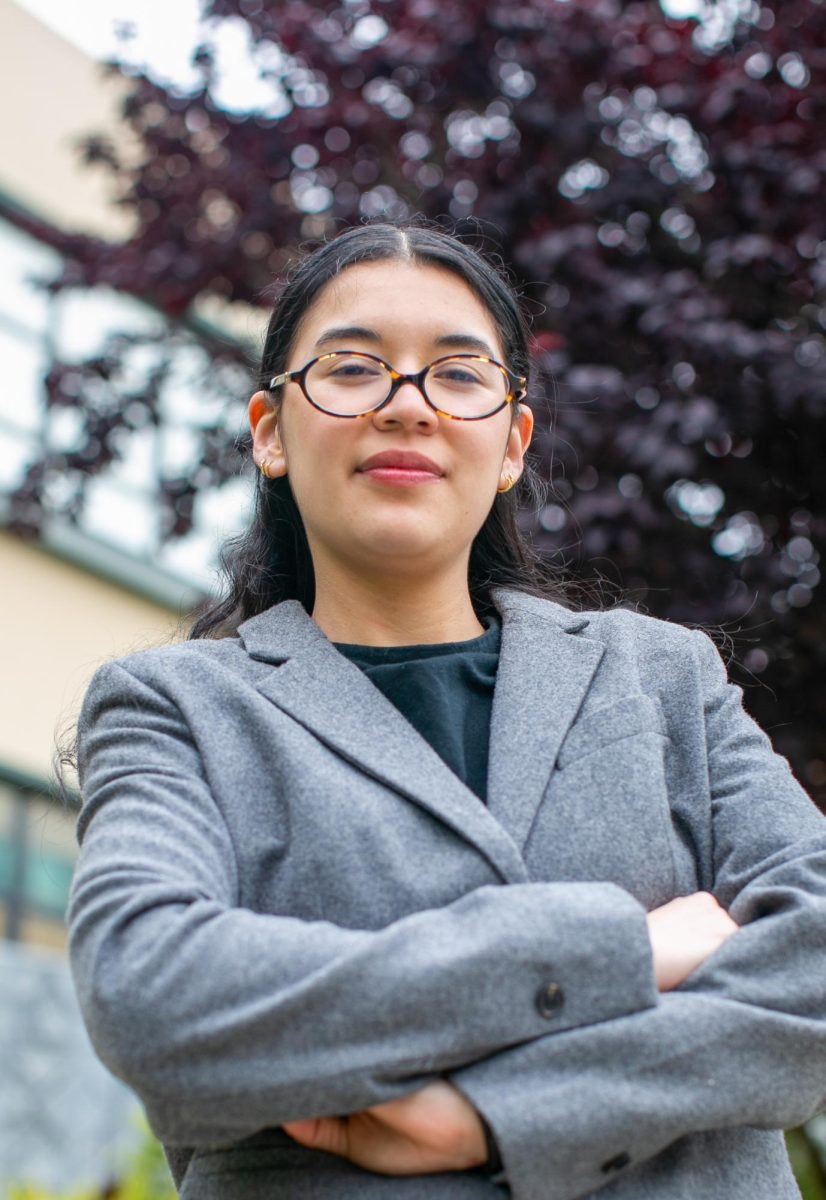
Isabella Guerrero 02:45 – 05:56
My name is Isabella Guerrero, I am a journalism student at San Francisco State University and I was born in Pleasanton, California. I come from a multicultural background. I am Nicaraguan
and Mexican, along with Norwegian and Swedish. I’m very proud of my diverse heritage
because it has shaped my values, my outlook on life and my connection to different
communities. Embracing being Hispanic in this country has taught me to appreciate diversity and has helped me stay open-minded and curious about the world. Being Hispanic in this country is empowering from my perspective, especially during these tough political times we are facing in this country at this current time. The development, culture and community of Hispanics in this country are fundamental to what makes our world move forward. Growing up in a multicultural household has allowed me to experience different traditions, languages, foods and perspectives.
Celebrating Hispanic holidays and making traditional foods for the holidays is something I will remember forever. These experiences have taught me the importance of family, resilience and hard work. They have also shown me how identity can be layered and complex, and how beautiful it is to belong to Hispanic culture. I carry all parts of my heritage with pride because each one plays a role in shaping who I am today. Being Hispanic has especially influenced my sense of community. I have seen how strong and supportive the Hispanic community can be, always coming together to uplift one another. The unity inspires me and motivates me to give back and stay connected.
I believe that representation and storytelling are powerful, and that sharing our voices and experiences matter now more than ever. During challenging political and social times, embracing my identity feels like an act of strength and confidence. It reminds me that my culture is not only valuable, but essential to the richness of this country.
Isabella Guerrero 02:45 – 05:56
Mi nombre es Isabella Guerrero. Soy estudiante de periodismo en la Universidad Estatal de San Francisco y nací en Pleasanton, California. Vengo de un origen multicultural. Soy nicaragüense y mexicana, además de noruega y sueca. Estoy muy orgullosa de mi herencia diversa porque ha formado mis valores, mi perspectiva de la vida y mi conexión con diferentes comunidades. Aceptar y abrazar el hecho de ser hispana en este país me ha enseñado a apreciar la diversidad y me ha ayudado a mantener una mente abierta y curiosa sobre el mundo. Ser hispana en este país es algo empoderador desde mi perspectiva, especialmente durante los tiempos políticos difíciles que estamos enfrentando actualmente. El desarrollo, la cultura y la comunidad de los hispanos en este país son parte fundamental de lo que hace que el mundo siga adelante. Crecer en una familia multicultural me ha dado experiencias de diferentes tradiciones, lenguajes, comida y perspectiva.
Celebrar las fiestas hispanas y preparar comidas tradicionales para esas celebraciones es algo que recordaré para siempre. Estas experiencias me han enseñado la importancia de la familia, resiliencia, y trabajando duro. También me ha enseñado cómo la identidad puede tener muchas capas y ser compleja, y lo hermoso que es pertenecer a la cultura hispana. Llevo conmigo con orgullo todas las partes de mi herencia porque cada una desempeña un papel en la formación de quien soy hoy. Ser hispana ha influido especialmente en mi sentido de comunidad. He visto lo fuerte y solidaria que la comunidad hispana puede ser, siempre viniendo juntos para apoyarse y levantarse unos a otros. La unidad me inspira y me motiva a retribuir y mantenerme conectada.
Creo que la representación y la narración de historias son poderosas, y que compartir nuestras voces y experiencias importa ahora más que nunca. Durante tiempos políticos y sociales difíciles, abrazar mi identidad se siente como un acto de fortaleza y confianza. Me recuerdo que mi cultura no sólo es valiosa, sino también esencial para la riqueza de este país.
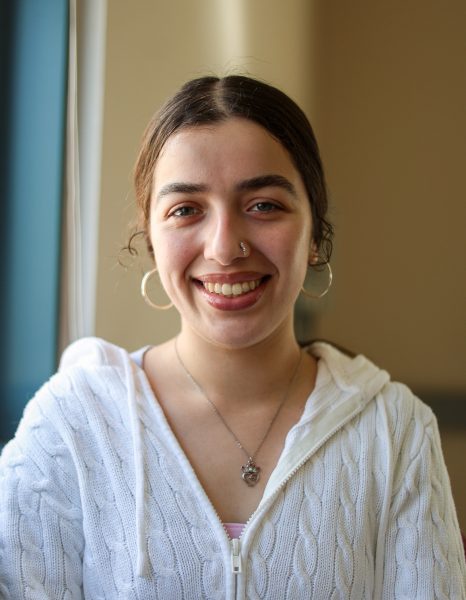
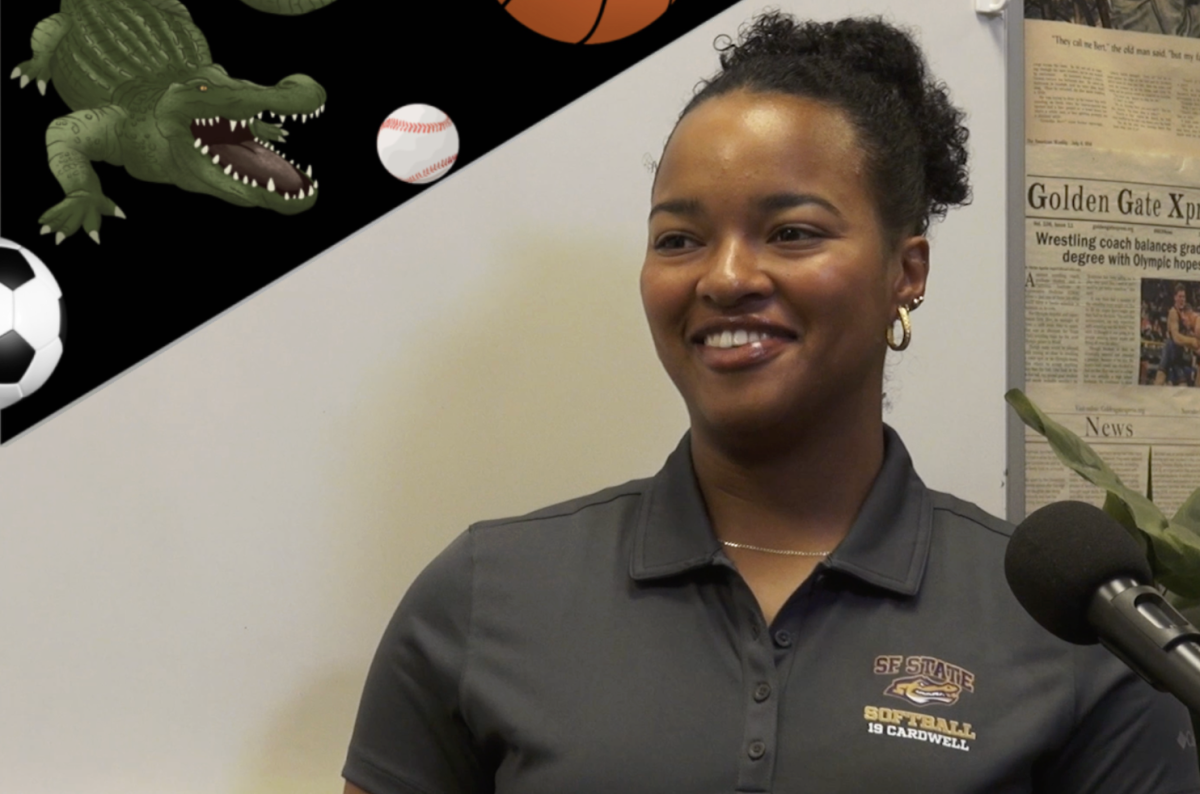
Clarrisa Delgado 05:57 – 08:10
I’m Clarissa Delgado. I’m a student at SF State, I’m a journalism major and I was born in Redwood City, California. Being Latina means seeing the world in a different way. You understand the cultural differences and feel more than one community with your family and, in my case, with your parents’ home country. It is understanding how the lives of Latinos are changed here and how they become more workers. Being Latina opens a door through which we see and understand people better. You recognize the effort of your parents and of all the Latinos that have lived here. Being Latina in the United States also creates an inner conflict, you see physical differences but also note that the things you’re used to eating at home aren’t eaten at school or any other place. You start to compare yourself to your classmates and notice that their arms aren’t as hairy or that they bring packed lunches and have shoes for every occasion. You see how the world outside is pure English and you come to understand that there are some things your parents can’t help you with. For example, for college applications or FAFSA, my mother did not understand the process so I had to do it myself. Also, it takes time for one to get used to and learn the processes in the United States.
Being Latina also means putting up with spice and tequila shots. Being Latina makes me happy because of the experiences I had growing up and even now. I feel more hardworking knowing the effort from my mother, but also the community in general. I feel more connected with people because I know how to speak Spanish and it helps at work. I’ve learned to say things in different and humorous ways by being Latina. For example, instead of saying, “Something smells bad,” I say, “It smells like rotting ass.” Being Latina means being there for other Latinos simply because we understand the history and understand them as people. It introduces you to Latina food and opens the door to learning about other cultures because they eat similar things. Ultimately, being Latina means you’re hard working from birth and it means that no matter what obstacle life throws at you, you find a way to overcome it. Things like advice from my family and the influence of Mexican and Guatemalan culture have taught me how to view the world and its people with more gratitude.
Clarrisa Delgado 05:57 – 08:10
Soy Clarissa Delgado, una estudiante de la Universidad Estatal de San Francisco. Soy estudiante de periodismo y nací en Redwood City, California. Ser latina significa ver el mundo de otra manera; entiendes las diferencias culturales y sientes más de una comunidad con tu familia y, en mi caso, con el país de tus padres. Entiendes cómo las vidas se cambian de los hispanos cuando vienen aquí, que se convierten en más trabajadores. Ser hispano abre una puerta donde miras y entiendes a la gente mejor. Reconoces los esfuerzos de tus padres y por todos los hispanos que han vivido aquí. Ser latino en los Estados Unidos también crea una confusión entre uno; miras las diferencias físicas, pero también notas que las cosas que te has acostumbrado a comer en la casa no se comen en la escuela o en cualquier lugar. Te empiezas a comparar a tus compañeros y notas que no son tan peludos en los hombros, que llevan sus lunches empacados y tienen zapatos para cada ocasión. Miras cómo el mundo afuera de la casa es en puro inglés y muy rápido entiendes que en algunas cosas tus papás no te van a poder ayudar. Por ejemplo, por solicitudes para la universidad o para FAFSA, mi mamá no entendió mucho cómo es el proceso, entonces yo tuve que hacerlo sola. Pero también toma tiempo para que uno se acostumbre y aprenda los procesos dentro de los Estados Unidos.
Ser hispano también significa que tienes que saber cómo aguantar el chile (y los tequilazos). Ser hispano me hace sentir contenta por tener las experiencias que tuve cuando crecí y ahora. Me siento más trabajadora al saber los esfuerzos de mi mamá, pero también en la gente latina en general. Me siento más conectada con personas al saber cómo hablar español y más de una ayuda en el trabajo. He aprendido cómo decir maneras en modos bien diferentes y chistosos por ser hispana. En vez de decir, “Algo huele mal” yo digo “Huele a culo podrido.” Ser hispano significa que estás allí por otros hispanos simplemente por entender la historia y por entenderlos cómo personas. Te entras a comidas hispanas y la puerta para conocer otras culturas que comen cosas similares se abre. Últimamente ser hispana para mí significa que eres una trabajadora desde que naciste y significa que con cualquier obstáculo que la vida te dé, encuentras una manera de superarlo. Cosas cómo consejos de mi familia y la influencia de la cultura mexicana y guatemalteca me han enseñado cómo ver la vida y las personas con más agradecimiento.
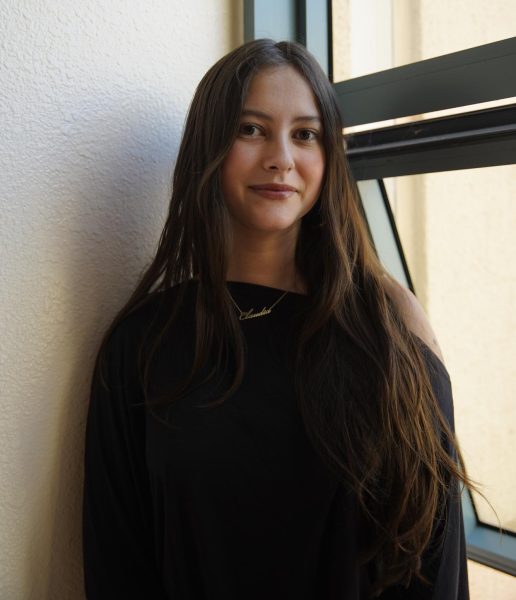
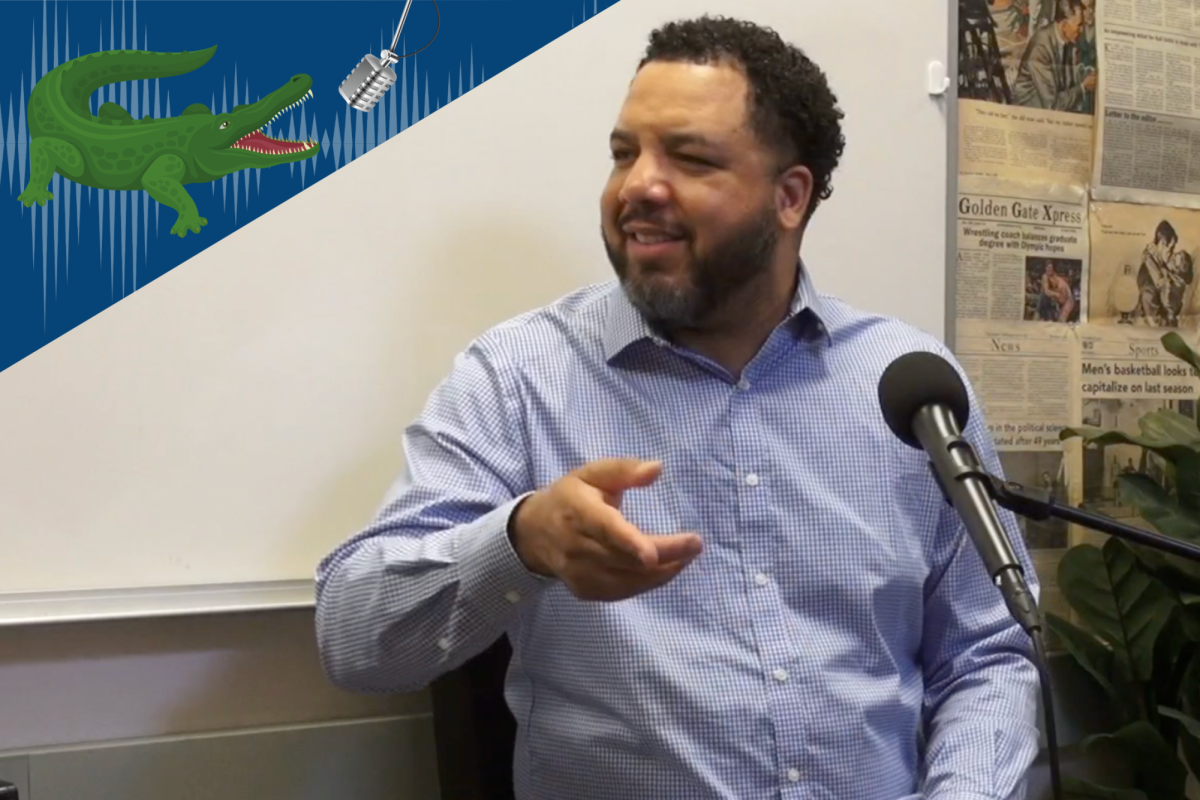
Claudia Perez 08:11 – 09:20
I’m Claudia Mar Pérez Aguilera. I study journalism at San Francisco State University and I was born in Florida. Being Latina in the United States has to do with dual identity. It means coming from a household in which yelling is normal, and you’re expected to be social at every family gathering. Where family is everything, and love is rowdy. At the same time, it can mean that confidence in women is viewed as an attitude or that speaking is aggression. In a time where Latinos are kidnapped at bus stops for merely existing, colorism has a profound influence. As a Latina of a lighter skin tone, I don’t have to think twice when I’m stopped by cops, a privilege for the way in which I am perceived. I am not expected to speak either English or Spanish fluently, instead existing in a strange middle ground I’ve been navigating since the first grade. In all this, I’m incredibly proud of my heritage. I am proud to be a Puerto Rican, Venezuelan woman.
Claudia Perez 08:11 – 09:20
Soy Claudia Mar Perez Aguilera, estudio periodismo en la Universidad Estatal de San Francisco y nací en Florida. Ser una Latina en los Estados Unidos tiene que ver con la dualidad de la identidad. Significa venir de una casa en la que gritar es normal, se espera ser sociable en cada reunión familiar. Donde la familia es todo, y el amor es ruidoso. Al mismo tiempo, puede significar aprender que la confianza en una mujer es un “actitud,” o que hablar es agresión. En una época en la que los latinos son secuestrados en las paradas del autobús por solo existir, el colorismo es profundamente influyente. Siendo una Latina con el color más blanco, yo no tengo que pensar dos veces si me detiene un policía, un privilegio por la forma en que soy percibida. No tienen la expectativa de que yo hable bien inglés o español sino que existo dentro de un limbo extraño que he navegado desde el primer grado. En todo esto, estoy profundamente orgullosa de mi herencia. Me siento orgullosa de ser una mujer puertorriqueña-venezolana.
Melanie Ochoa 09:21 – 09:36
That’s all for today, Gators. Thank you for listening to episode two of Voces Latinas.
If you identify as Latin/o/a/x and would like to share your own thoughts, please reach out to me, via email, at [email protected].
Melanie Ochoa 09:21 – 09:36
Eso es todo para hoy Gators. Gracias por haber escuchado el segundo episodio de Voces Latinas. Si te identificas cómo Latino/a/x y te gustaría compartir tus pensamientos, puedes contactarme por correo, a [email protected].